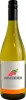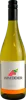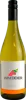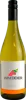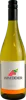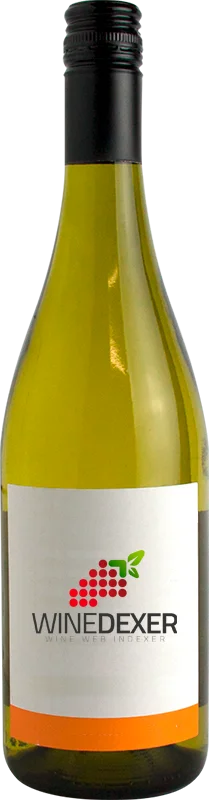
Winery Arizona AngelPinot Grigio
 White wine



This wine generally goes well with poultry, veal or shellfish.

Food and wine pairings with Pinot Grigio
Pairings that work perfectly with Pinot Grigio



Original food and wine pairings with Pinot Grigio
The Pinot Grigio of Winery Arizona Angel matches generally quite well with dishes of veal, shellfish or poultry such as recipes of italian veal roulade, catalan zarzuela or pasta carbonara.
Details and technical informations about Winery Arizona Angel's Pinot Grigio.
Discover the grape variety: Liliorila
Aromatic, structured dry whites with a pale golden robe, an ample palate and preserved acidity. Signature aromas of yellow fruits (peach, apricot), white flowers (acacia), citrus and exotic notes. Modern South-West profile. Grown in small quantities in the South-West for IGP wines, featuring in southern blends. French white grape obtained in 1956 by crossing Baroque × Chardonnay.
Last vintages of this wine
The best vintages of Pinot Grigio from Winery Arizona Angel are 0
Informations about the Winery Arizona Angel
The Winery Arizona Angel is one of of the world's greatest estates. It offers 13 wines for sale in the of Arizona to come and discover on site or to buy online.

The wine region of Arizona
Emerging US Southwest state, high-altitude vineyards (1,370-1,580 m) on volcanic soils. Rhone and Mediterranean grapes are the stars: signature Syrah (blackberry, pepper, olive, violet, round tannins), fruity Grenache, dense sun-drenched Mourvedre. Also spicy Tempranillo and fruity Sangiovese. Aromatic Viognier (apricot, flowers) and deeply coloured Petite Sirah in whites.
The word of the wine: Acerbe
Acidic taste with a certain astringency reminiscent of unripe fruit.