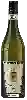
Winery ArditaBarbera
 Red wine


In the mouth this red wine is a with a nice freshness.
This wine generally goes well with pork, poultry or veal.

Taste structure of the Barbera from the Winery Ardita
Light | Bold | |
Smooth | Tannic | |
Dry | Sweet | |
Soft | Acidic |
In the mouth the Barbera of Winery Ardita in the region of Piedmont is a with a nice freshness.
Food and wine pairings with Barbera
Pairings that work perfectly with Barbera



Original food and wine pairings with Barbera


The Barbera of Winery Ardita matches generally quite well with dishes of pasta, veal or pork such as recipes of pasta with veal stock sauce, veal paupiettes with forestry sauce or cassoulet.
Details and technical informations about Winery Ardita's Barbera.
Discover the grape variety: Oeillade noire
Light and fruity reds with a pale, lightly coloured ruby robe, smooth tannins, an airy palate with moderate acidity, and aromas of red fruits (strawberry, raspberry), soft spices and floral notes. Accessible southern profile. Preserved for its heritage value, surviving in a few southern French plots; studied for its ampelographic interest. Native French black variety from Provence and Languedoc, identical to Cinsault according to some analyses.
Last vintages of this wine

The best vintages of Barbera from Winery Ardita are 2018, 2014, 2017, 2019 and 0.
Informations about the Winery Ardita
The Winery Ardita is one of of the world's greatest estates. It offers 6 wines for sale in the of Piedmont to come and discover on site or to buy online.

The wine region of Piedmont
Kingdom of Nebbiolo: Barolo and Barbaresco DOCG, long-ageing reds with firm tannins and lively acidity, complex aromas of withered rose, sour cherry, tar, truffle and undergrowth. More accessible, tangy Barbera on red fruit, supple, crisp Dolcetto. Sweet, floral sparkling Moscato d'Asti, mineral, lemony Gavi (Cortese) white, round, almondy Arneis from Roero. 50,000 ha across the Langhe, Roero and Monferrato, UNESCO.
The word of the wine: INAO glass
Glass adapted to wine tasting, created in the 1970s by the Institut national des appellations d'origine. At the time, it had the advantage of offering a standardised tool to all tasters. It is characterized by a wide base that allows for good ventilation and a narrow mouth (opening of the glass) to concentrate the aromas. Many high-performance glasses have been created based on this model.