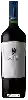
Bodega LanzariniSediento Malbec - Bonarda
 Red wine


This wine generally goes well with poultry, beef or mature and hard cheese.
Food and wine pairings with Sediento Malbec - Bonarda
Pairings that work perfectly with Sediento Malbec - Bonarda



Original food and wine pairings with Sediento Malbec - Bonarda

The Sediento Malbec - Bonarda of Bodega Lanzarini matches generally quite well with dishes of beef, spicy food or mature and hard cheese such as recipes of tournedos with foie gras, cambodian amok or salted cake with bacon, comté and onion.
Details and technical informations about Bodega Lanzarini's Sediento Malbec - Bonarda.
Discover the grape variety: Malbec
Malbec, a high-yielding red grape variety, produces tannic and colourful wines. It is produced in different wine-growing regions and changes its name according to the grape variety. Called Auxerrois in Cahors, Malbec in Bordeaux, it is also known as Côt. 6,000 hectares of the Malbec grape are grown in France (in decline since the 1950s). Malbec is also very successful in Argentina. The country has become the world's leading producer of Malbec and offers wines with great potential.
Last vintages of this wine
The best vintages of Sediento Malbec - Bonarda from Bodega Lanzarini are 0
Informations about the Bodega Lanzarini
The Bodega Lanzarini is one of of the world's great estates. It offers 14 wines for sale in the of Mendoza to come and discover on site or to buy online.

The wine region of Mendoza
Mendoza is by far the largest wine region in Argentina. Located on a high-altitude plateau at the edge of the Andes Mountains, the province is responsible for roughly 70 percent of the country's annual wine production. The French Grape variety Malbec has its New World home in the vineyards of Mendoza, producing red wines of great concentration and intensity. The province Lies on the western edge of Argentina, across the Andes Mountains from Chile.
The word of the wine: Oxidative (breeding)
A method of ageing which aims to give the wine certain aromas of evolution (dried fruit, bitter orange, coffee, rancio, etc.) by exposing it to the air; it is then matured either in barrels, demi-muids or unoaked casks, sometimes stored in the open air, or in barrels exposed to the sun and to temperature variations. This type of maturation characterizes certain natural sweet wines, ports and other liqueur wines.