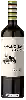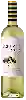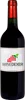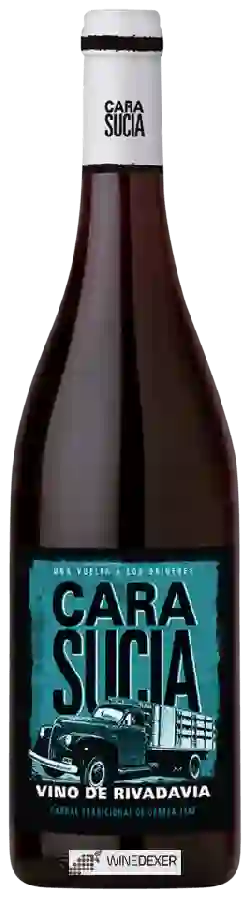
Winery DuriguttiCara Sucia Cereza
 Red wine



This wine generally goes well with

Wine flavors and olphactive analysis




On the nose the Cara Sucia Cereza of Winery Durigutti in the region of Mendoza often reveals types of flavors of non oak, earth or oak and sometimes also flavors of spices, red fruit or black fruit.
Details and technical informations about Winery Durigutti's Cara Sucia Cereza.
Discover the grape variety: Alicante Nera
Intensely coloured reds with a red dyeing pulp, a deep purple robe, supple tannins and an ample palate with moderate acidity, featuring aromas of red fruits, black fruits and southern notes. Grown in southern Italy (Puglia, Calabria, Sardinia), Portugal and Spain, used to deepen the colour of blends and produce approachable reds. Italian synonym for Alicante Henri Bouschet, a French red-pulp teinturier black variety.
Last vintages of this wine
The best vintages of Cara Sucia Cereza from Winery Durigutti are 2019, 0, 2018
Informations about the Winery Durigutti
The Winery Durigutti is one of of the world's great estates. It offers 64 wines for sale in the of Mendoza to come and discover on site or to buy online.

The wine region of Mendoza
World capital of Malbec: powerful, deep reds with blackberry, plum, violet and sweet spice, round tannins and vivid fruit. Also firm Cabernet Sauvignon, supple, juicy Bonarda, aromatic floral white Torrontés. High-altitude vineyards (800-1,700 m) at the foot of the Andes, dry continental climate irrigated by glacial waters. ~80% of Argentine output across 150,000 ha.
The word of the wine: Rough
A very astringent and somewhat coarse tannic wine.