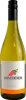
Winery Ante HirpisSelezione Classica Coda di volpe
 White wine


In the mouth this white wine is a powerful.
This wine generally goes well with vegetarian, appetizers and snacks or shellfish.
Taste structure of the Selezione Classica Coda di volpe from the Winery Ante Hirpis
Light | Bold | |
Dry | Sweet | |
Soft | Acidic |
In the mouth the Selezione Classica Coda di volpe of Winery Ante Hirpis in the region of Campania is a powerful.
Food and wine pairings with Selezione Classica Coda di volpe
Pairings that work perfectly with Selezione Classica Coda di volpe



Original food and wine pairings with Selezione Classica Coda di volpe
The Selezione Classica Coda di volpe of Winery Ante Hirpis matches generally quite well with dishes of shellfish, vegetarian or appetizers and snacks such as recipes of cuttlefish in sauce, quiche with bacon and gruyère cheese or prunes with bacon.
Details and technical informations about Winery Ante Hirpis's Selezione Classica Coda di volpe.
Discover the grape variety: Khendorni
Most certainly of Armenian origin. It should be noted, however, that in Azerbaijan a grape variety called Khindogny is cultivated, with a synonym, Khendorni, which resembles it like two drops of water. In France, Khendorni is virtually unknown.
Last vintages of this wine
The best vintages of Selezione Classica Coda di volpe from Winery Ante Hirpis are 2015, 2013, 0
Informations about the Winery Ante Hirpis
The Winery Ante Hirpis is one of of the world's great estates. It offers 19 wines for sale in the of Campania to come and discover on site or to buy online.

The wine region of Campania
Campania is a region that forms the "tibia" of the boot of Italy, and whose largest city is Naples. Its name comes from Campania felix, a Latin phrase meaning roughly "happy land". The region has strong historical links with wine and vineyards, dating back to the 12th century BC, and is one of the oldest wine regions in Italy. The considerable influence of ancient empires, including the Greeks, Romans and Byzantines, means that some of the varieties in this region are linked to historical legends.
The word of the wine: Mouth
The mouth is the third stage of wine tasting after the eye and nose. In the mouth, the taster identifies the aromas through the retronasal route, the flavours and the texture. It is in the mouth that the overall balance of the wine is apprehended.