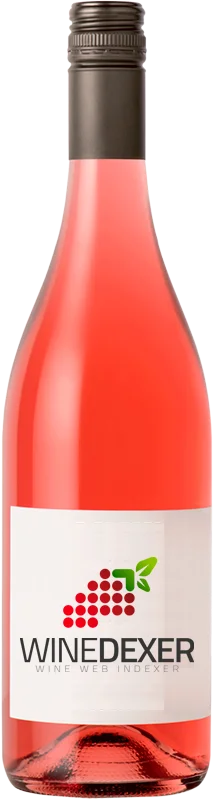
Winery AltonRosé
 Pink wine
This wine generally goes well with pork, poultry or veal.

Food and wine pairings with Rosé
Pairings that work perfectly with Rosé



Original food and wine pairings with Rosé


The Rosé of Winery Alton matches generally quite well with dishes of veal, pork or game (deer, venison) such as recipes of sauté of veal with olives (corsica), grandma's chicken casserole or rabbit with mustard, thyme and cream.
Details and technical informations about Winery Alton's Rosé.
Discover the grape variety: Pinot noir
Elegant reds, light in colour with silky tannins, showing strawberry, cherry and raspberry aromas, evolving to forest floor, mushroom and spice with age. Fresh acidity, delicate finish. Star of the Côte d'Or (Romanée-Conti, Chambertin, Volnay), pillar of Champagne (Blanc de Noirs) and signature of Oregon, Central Otago and Sonoma Coast. An early-ripening Burgundian variety, one of the world's greatest.
Informations about the Winery Alton
The Winery Alton is one of of the world's greatest estates. It offers 8 wines for sale in the of Columbia Gorge Washington to come and discover on site or to buy online.

The wine region of Columbia Gorge Washington
American AVA (2004) straddling Oregon and Washington around Hood River, "world of wine in 40 miles" with extreme climatic diversity (cool maritime west vs arid east), volcanic soils and loess. Pinot Noir is the signature red (most planted) on the cool side: ethereal and fruity with cherry, raspberry, undergrowth and spiced notes. Full Pinot Gris, taut Riesling and floral Gewürztraminer as whites. Structured Cabernet, Syrah and Zinfandel in the east.
The wine region of Washington
2nd US producer by volume, on the arid, sunny Columbia Valley. Star Cabernet Sauvignon (~60% of reds): powerful and structured with signature notes of blackcurrant, blackberry, cedar, dry herbs and graphite, firm tannins. Fleshy, peppery Syrah (black fruits, smoked meat). Round, fruity Merlot, historic mineral Riesling (dry and off-dry), precise Chardonnay and ample Sémillon.
The word of the wine: Malolactic fermentation
Called second fermentation or malo for short. It is the degradation (under the effect of bacteria) of the malic acid naturally present in the wine into milder, less aggressive lactic acid. Some producers or wineries refuse this operation by "blocking the malo" (by cold and adding SO2) to keep a maximum of acidity which carries the aromas and accentuates the sensation of freshness.