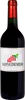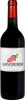
Winery AlpsMusée du Vin Limited Cabernet Sauvignon
 Red wine


This wine generally goes well with poultry, beef or lamb.
Food and wine pairings with Musée du Vin Limited Cabernet Sauvignon
Pairings that work perfectly with Musée du Vin Limited Cabernet Sauvignon



Original food and wine pairings with Musée du Vin Limited Cabernet Sauvignon

The Musée du Vin Limited Cabernet Sauvignon of Winery Alps matches generally quite well with dishes of beef, lamb or spicy food such as recipes of venison stew with red wine, moroccan lamb stew or chicken with courgettes and curry.
Details and technical informations about Winery Alps's Musée du Vin Limited Cabernet Sauvignon.
Discover the grape variety: Cabernet-Sauvignon
Cabernet-Sauvignon noir is a grape variety that originated in France (Bordeaux). It produces a variety of grape specially used for wine making. It is rare to find this grape to eat on our tables. This variety of grape is characterized by small bunches, and small grapes. Cabernet-Sauvignon noir can be found in many vineyards: South-West, Loire Valley, Languedoc & Roussillon, Cognac, Bordeaux, Armagnac, Rhone Valley, Provence & Corsica, Savoie & Bugey, Beaujolais.
Last vintages of this wine
The best vintages of Musée du Vin Limited Cabernet Sauvignon from Winery Alps are 0
Informations about the Winery Alps
The Winery Alps is one of of the world's great estates. It offers 66 wines for sale in the of Nagano-ken to come and discover on site or to buy online.

The wine region of Nagano-ken
Junmai (pure sake) literally translates to "pure rice". It is a high-quality class of sake, a rice-based Alcoholic beverage that is an intricate Part of Japanese culture. In order to be classified as Junmai sake, the beverage must be made with only rice, water, and koji, the mold that triggers Fermentation. Sake can be found in a variety of types and styles, each with its own Organoleptic properties.
The word of the wine: Malvasia
Name given locally to various grape varieties, notably pinot gris (Pays nantais) and vermentino (Provence and Corsica).