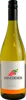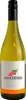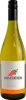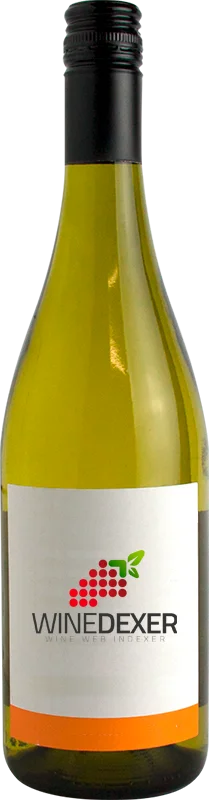
Winery Alma ValleyEx Cellar Amphora
 White wine


This wine is a blend of 2 varietals which are the Chardonnay and the Pinot blanc.
This wine generally goes well with pork, vegetarian or poultry.

Food and wine pairings with Ex Cellar Amphora
Pairings that work perfectly with Ex Cellar Amphora



Original food and wine pairings with Ex Cellar Amphora


The Ex Cellar Amphora of Winery Alma Valley matches generally quite well with dishes of pork, rich fish (salmon, tuna etc) or shellfish such as recipes of alsatian sauerkraut, italian tabbouleh or lobster in court-bouillon.
Details and technical informations about Winery Alma Valley's Ex Cellar Amphora.
Discover the grape variety: Chardonnay
Whites with many faces: mineral and taut at Chablis (lemon, green apple, flint), opulent and buttery at Meursault and Puligny-Montrachet (hazelnut, brioche, yellow fruits), tense and chalky in Champagne (Blanc de Blancs). Also vinified sparkling and widely exported (Sonoma, Margaret River, Casablanca). A Burgundian variety, a cross of Pinot Noir × Gouais Blanc, half-sibling of Aligoté.
Last vintages of this wine

The best vintages of Ex Cellar Amphora from Winery Alma Valley are 2017, 0, 2016
Informations about the Winery Alma Valley
The Winery Alma Valley is one of of the world's great estates. It offers 60 wines for sale in the of Crimea to come and discover on site or to buy online.

The wine region of Crimea
Historic Black Sea wine peninsula with centuries-old imperial tradition. Recognised speciality: Iberian-style fortified and sweet wines (Massandra, founded by Nicholas II in 1894), with signature notes of dried fruit, candied apricot, honey, walnut and caramel, exceptional long cellaring. Also dense Cabernet Sauvignon and deep Saperavi reds with black fruit, lively Aligoté whites, mineral Riesling and native Kokur. Identity grapes: Ekim Kara, Kefessia.
The word of the wine: Density per hectare
Number of vines per hectare. For the same yield, a vine planted with 3,000 vines per hectare bears many more bunches (per vine) than a vine planted with 10,000. The grapes will therefore be less rich in sugar and polyphenols (tannins, aromas...).