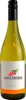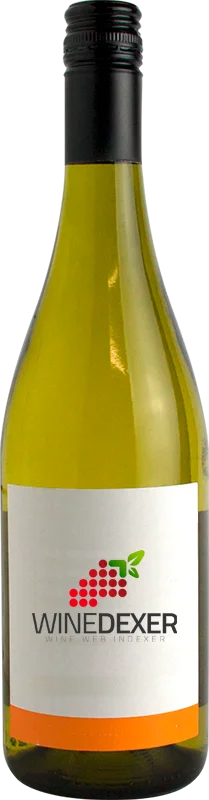
Winery Alexander SteinbachMuscat Medium Sweet
 White wine


This wine generally goes well with spicy food and sweet desserts.
Food and wine pairings with Muscat Medium Sweet
Pairings that work perfectly with Muscat Medium Sweet


Original food and wine pairings with Muscat Medium Sweet
The Muscat Medium Sweet of Winery Alexander Steinbach matches generally quite well with dishes of spicy food or sweet desserts such as recipes of coconut curry cauliflower in the cookeo or french toast.
Details and technical informations about Winery Alexander Steinbach's Muscat Medium Sweet.
Discover the grape variety: Poulsard
Poulsard is a red grape variety that originated in the Franche-Comté region. In 1732, it was qualified as a good grape variety with several others by the parliament of Besançon at the time. It currently covers nearly 300 ha. This variety has 3 approved clones: 296, 584 and 464. Poulsard has slightly hairy branches with long tendrils. Its leaves are yellow in color. Although its bunches are small, its berries are often medium-sized or larger. Poulsard is quite sensitive to scorching, spring frosts and coulure. It is also afraid of oidium, mildew and grey rot. This grape variety appreciates clayey, fat and marly soils. Its fertility is average, so it is preferable to prune it long. It buds quite early. Poulsard produces a wine with a light structure, fine and aromatic. It can be kept for years. This wine goes well with poultry, red meat, cheese and starters.
Last vintages of this wine
The best vintages of Muscat Medium Sweet from Winery Alexander Steinbach are 2018, 0
Informations about the Winery Alexander Steinbach
The Winery Alexander Steinbach is one of of the world's greatest estates. It offers 2 wines for sale in the of Vin de France to come and discover on site or to buy online.

The wine region of Vin de France
Vin de France is the most basic level of quality for wines from France. These are generally uncomplicated everyday drinks - most often blends, but perhaps also Varietal wines based on a well-known Grape variety such as Cabernet Sauvignon, Merlot, Chardonnay or Sauvignon Blanc. Wines from France are those that do not meet the criteria stipulated by the Protected Designation of Origin (PDO) or Protected Geographical Indication (PGI) laws (see information on French wine labels). This may be because the vineyards are outside the delimited production areas or because the grape varieties or winemaking techniques used do not conform to the rules of the local appellations.
The word of the wine: Oxidation
Alteration of the wine caused by prolonged contact with oxygen and resulting in a coppery colour with brown reflections and the appearance of typical aromas reminiscent of rancid nuts.