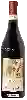
Winery AlessandriaDolcetto d'Alba
 Red wine



In the mouth this red wine is a powerful.
This wine generally goes well with beef, game (deer, venison) or lamb.

Taste structure of the Dolcetto d'Alba from the Winery Alessandria
Light | Bold | |
Smooth | Tannic | |
Dry | Sweet | |
Soft | Acidic |
In the mouth the Dolcetto d'Alba of Winery Alessandria in the region of Piedmont is a powerful.
Food and wine pairings with Dolcetto d'Alba
Pairings that work perfectly with Dolcetto d'Alba



Original food and wine pairings with Dolcetto d'Alba

The Dolcetto d'Alba of Winery Alessandria matches generally quite well with dishes of beef, pasta or lamb such as recipes of cataplana with seafood, spaghetti cacio e pepe or crusted lamb fillets with sweet spices.
Details and technical informations about Winery Alessandria's Dolcetto d'Alba.
Discover the grape variety: Erbaluce
Lively and mineral whites, pale golden colour, fresh and taut mouth with preserved acidity, with signature aromas of citrus (lemon, citron), green apple, white flowers (acacia) and mineral notes. Also made as Spumante sparkling and Passito dessert wine. Star of Erbaluce di Caluso DOCG in Piedmont. Autochthonous Piedmontese white grape from the province of Turin.
Last vintages of this wine
The best vintages of Dolcetto d'Alba from Winery Alessandria are 0
Informations about the Winery Alessandria
The Winery Alessandria is one of of the world's greatest estates. It offers 5 wines for sale in the of Dolcetto d'Alba to come and discover on site or to buy online.

The wine region of Dolcetto d'Alba
Piedmontese DOC of the Langhe south of Alba, the everyday wine of Barolo and Barbaresco growers. Signature Dolcetto ("little sweet one"): purplish, fruity reds with signature notes of black cherry, blackberry, fresh plum, violet and bitter almond on the finish, present tannins but little acidity, a round and moreish palate — to drink young (1-3 years). A perfect match for cured meats, ragù pasta and Piedmontese cheeses. ~1,900 ha across 33+ communes.
The wine region of Piedmont
Kingdom of Nebbiolo: Barolo and Barbaresco DOCG, long-ageing reds with firm tannins and lively acidity, complex aromas of withered rose, sour cherry, tar, truffle and undergrowth. More accessible, tangy Barbera on red fruit, supple, crisp Dolcetto. Sweet, floral sparkling Moscato d'Asti, mineral, lemony Gavi (Cortese) white, round, almondy Arneis from Roero. 50,000 ha across the Langhe, Roero and Monferrato, UNESCO.
The word of the wine: Harmonious
Balance of the different organoleptic elements of a wine. This harmony is linked to the typicity of each wine. The sweetness of a sweet wine is an element of its balance, whereas a Sancerre or a Chablis will be asked to be lively and dry.