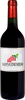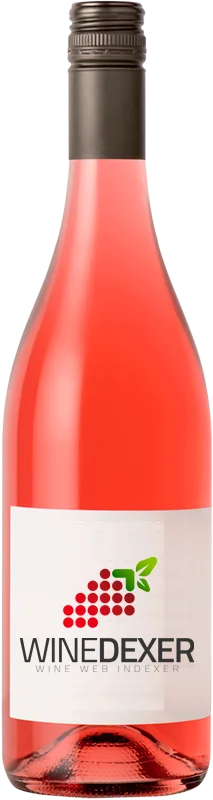
Winery Aldo Cesar PalafoxNatural Rosé
 Pink wine


This wine generally goes well with
Details and technical informations about Winery Aldo Cesar Palafox's Natural Rosé.
Discover the grape variety: Mourvaison
Mourvaison noir is a grape variety that originated in France (Provence). It produces a variety of grape specially used for wine making. It is rare to find this grape to eat on our tables. This variety of grape is characterized by medium-sized bunches and medium-sized grapes. Mourvaison noir can be found in several vineyards: South-West, Cognac, Bordeaux, Provence & Corsica, Rhone valley, Loire valley, Savoie & Bugey, Beaujolais.
Last vintages of this wine
The best vintages of Natural Rosé from Winery Aldo Cesar Palafox are 0, 2017
Informations about the Winery Aldo Cesar Palafox
The Winery Aldo Cesar Palafox is one of of the world's greatest estates. It offers 13 wines for sale in the of Ensenada to come and discover on site or to buy online.

The wine region of Ensenada
The wine region of Ensenada is located in the region of Baja California of North of Mexico. Wineries and vineyards like the Domaine Casa de Piedra or the Domaine Altotinto produce mainly wines red, white and sparkling. The most planted grape varieties in the region of Ensenada are Cabernet-Sauvignon, Tempranillo and Merlot, they are then used in wines in blends or as a single variety. On the nose of Ensenada often reveals types of flavors of pineapple, dark fruit or cocoa and sometimes also flavors of black fruits, mocha or black currant.
The wine region of North
Valle de Guadalupe is the key wine region in the state of Baja California, Mexico. Baja California, in turn, is responsible for 90 percent national wine production. At the heart of the valley is Guadalupe Village, which Lies 14 miles (20km) North of Ensenada city. The valley runs northeast to southwest on either side of Guadalupe, stretching from the Pacific coast inland for roughly 20 miles (32 km).
The word of the wine: Downy mildew
Disease of the vine due to a fungus. Downy mildew is formidable because it attacks all the organs, from the stem to the grapes, including the leaves, in depth. It was against it that the famous copper and lime-based Bordeaux mixture was developed.