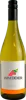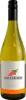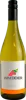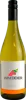
Winery Alberto De Castro Lança'sWhite Sweet Port
 Natural sweet wine
This wine generally goes well with

Details and technical informations about Winery Alberto De Castro Lança's's White Sweet Port.
Discover the grape variety: Pedro Ximenez
Exceptional, intensely sweet liqueur wines with a very dark mahogany robe, a syrupy palate, and powerful signature aromas of raisin, dried fig, date, molasses, roasted coffee, dark chocolate, liquorice and oxidative notes. Produced from sun-dried grapes. The undisputed star of Andalusian Pedro Ximénez (PX), one of the world's greatest sweet wines. Autochthonous Spanish variety from Andalusia (Montilla-Moriles DO, Jerez DO).
Informations about the Winery Alberto De Castro Lança's
The Winery Alberto De Castro Lança's is one of of the world's greatest estates. It offers 6 wines for sale in the of Porto to come and discover on site or to buy online.

The wine region of Porto
One of the world's oldest fortified wines: fortified with grape spirit during fermentation, keeping its residual sugars. Opulent style, long on the palate, notes of candied black fruits, cocoa, fig, walnut, coffee and spices. Four styles: young fruity Ruby (cherry, blackberry), Tawny aged oxidatively in cask (caramel, hazelnut, bitter orange), age-worthy LBV and Vintage, White as aperitif. Grapes: Touriga Nacional, Touriga Franca, Tinta Roriz.
The wine region of Duriense
Portuguese IGP covering the Douro and Porto area (northeast), schist soils on vertiginous terraced slopes, dry continental climate, flexible status outside DOC. Touriga Nacional signature as red king (300+ authorised varieties): intense and floral with blackberry, black cherry, violet, garrigue, liquorice and mineral schist hint, firm tannins — noble Douro emblem. Supple Touriga Franca and spicy Tinta Roriz as complement. Fresh mineral whites and creative modern sparkling.
The word of the wine: Oxidative (breeding)
A method of ageing which aims to give the wine certain aromas of evolution (dried fruit, bitter orange, coffee, rancio, etc.) by exposing it to the air; it is then matured either in barrels, demi-muids or unoaked casks, sometimes stored in the open air, or in barrels exposed to the sun and to temperature variations. This type of maturation characterizes certain natural sweet wines, ports and other liqueur wines.