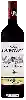
Winery Albert GuichardQuintessence Lussac-Saint-Émilion
 Red wine
This wine generally goes well with poultry, beef or game (deer, venison).
Food and wine pairings with Quintessence Lussac-Saint-Émilion
Pairings that work perfectly with Quintessence Lussac-Saint-Émilion



Original food and wine pairings with Quintessence Lussac-Saint-Émilion

The Quintessence Lussac-Saint-Émilion of Winery Albert Guichard matches generally quite well with dishes of beef, lamb or game (deer, venison) such as recipes of beef luc lake, lamb fillet with monbazillac or the garbure.
Details and technical informations about Winery Albert Guichard's Quintessence Lussac-Saint-Émilion.
Discover the grape variety: Putzcheere
It is believed to have originated in Hungary, in the region bordering Romania, from where it spread to Germany, Alsace and the southwest of France, particularly in the Gers and high Pyrenees departments. It is also found in the United States (California). Today, it is almost absent from French vineyards. - Synonyms: putchir, putscher, butschera (for all the synonyms of the grape varieties, click here!)
Informations about the Winery Albert Guichard
The Winery Albert Guichard is one of of the world's great estates. It offers 46 wines for sale in the of Lussac-Saint-Émilion to come and discover on site or to buy online.

The wine region of Lussac-Saint-Émilion
The wine region of Lussac-Saint-Émilion is located in the region of Saint-Émilion of Bordeaux of France. Wineries and vineyards like the Château de Roques or the Domaine Gérard Depardieu produce mainly wines red, white and pink. The most planted grape varieties in the region of Lussac-Saint-Émilion are Merlot, Cabernet-Sauvignon and Cabernet franc, they are then used in wines in blends or as a single variety. On the nose of Lussac-Saint-Émilion often reveals types of flavors of cherry, jam or eucalyptus and sometimes also flavors of violet, forest floor or aniseed.
The wine region of Bordeaux
Bordeaux, in southwestern France, is one of the most famous, prestigious and prolific wine regions in the world. The majority of Bordeaux wines (nearly 90% of the production Volume) are the Dry, medium and Full-bodied red Bordeaux blends for which it is famous. The finest (and most expensive) are the wines of the great châteaux of Haut-Médoc and the right bank appellations of Saint-Émilion and Pomerol. The former focuses (at the highest level) on Cabernet Sauvignon, the latter on Merlot.
The word of the wine: Oxidation
Alteration of the wine caused by prolonged contact with oxygen and resulting in a coppery colour with brown reflections and the appearance of typical aromas reminiscent of rancid nuts.