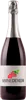
Winery ÁgataDe Fogo Natural Brut
 Sparkling wine



In the mouth this sparkling wine is a powerful with a nice vivacity and a fine and pleasant bubble.
This wine generally goes well with pork, rich fish (salmon, tuna etc) or shellfish.

Taste structure of the De Fogo Natural Brut from the Winery Ágata
Light | Bold | |
Soft | Acidic | |
Gentle | Fizzy |
In the mouth the De Fogo Natural Brut of Winery Ágata in the region of Rio Grande do Sul is a powerful with a nice vivacity and a fine and pleasant bubble.
Food and wine pairings with De Fogo Natural Brut
Pairings that work perfectly with De Fogo Natural Brut



Original food and wine pairings with De Fogo Natural Brut
The De Fogo Natural Brut of Winery Ágata matches generally quite well with dishes of pork, rich fish (salmon, tuna etc) or shellfish such as recipes of stuffed pumpkin, salmon and spinach lasagna or fish curry à la reunion.
Details and technical informations about Winery Ágata's De Fogo Natural Brut.
Discover the grape variety: Louise Swenson
Fresh, fruity whites to drink young, with a pale golden robe, an airy palate with preserved acidity on pear, apple, white flowers and delicate aromas. Elegant profile for a hybrid. Grown in the cold regions of North America and Canada (Minnesota, Québec, Vermont), resists extreme continental viticultural climates. American white hybrid obtained in 1990 by Elmer Swenson in Minnesota.
Last vintages of this wine
The best vintages of De Fogo Natural Brut from Winery Ágata are 0
Informations about the Winery Ágata
The Winery Ágata is one of of the world's greatest estates. It offers 13 wines for sale in the of Rio Grande do Sul to come and discover on site or to buy online.

The wine region of Rio Grande do Sul
Brazil's winemaking heart (~80% of production), Italian tradition. Recognised specialty: traditional-method sparkling wines (espumantes), fresh and fruity, based on Chardonnay and Pinot Noir, among South America's finest. Accessible reds: supple, fruity Merlot (plum, cherry), fleshy Cabernet Sauvignon, dense, tannic Tannat. Round Chardonnay, light Riesling Italico, sweet, floral Moscato whites.
The word of the wine: Bitter (flavor)
A flavour generally provided in wines by polyphenols and accompanied by a sensation of pungency. In small quantities, bitterness makes you salivate, gives relief to the wine and reinforces its sapidity.