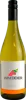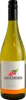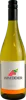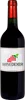
Winery Adam MasonRed Earth
 Red wine


This wine generally goes well with

Wine flavors and olphactive analysis




On the nose the Red Earth of Winery Adam Mason in the region of Western Cape often reveals types of flavors of non oak, earth or oak and sometimes also flavors of spices, black fruit.
Details and technical informations about Winery Adam Mason's Red Earth.
Discover the grape variety: São Mamede
Fresh, fruity whites for early drinking, with a pale golden hue, light palate and moderate acidity, showing aromas of citrus (lemon), white flowers, white fruits (apple, pear) and herbal notes. Confidential heritage profile. A rare variety preserved for its patrimonial interest in southern Portugal. Rare Portuguese white grape grown in the Alentejo, around the Serra de São Mamede.
Last vintages of this wine

The best vintages of Red Earth from Winery Adam Mason are 2015, 0, 2016
Informations about the Winery Adam Mason
The Winery Adam Mason is one of of the world's greatest estates. It offers 6 wines for sale in the of Stellenbosch to come and discover on site or to buy online.

The wine region of Stellenbosch
Showcase of the South African vineyard: signature Cabernet Sauvignon as king red — structured and age-worthy with notes of blackcurrant, blackberry, cedar, tobacco and a menthol touch, firm tannins. Emblematic national Pinotage (created 1925) opulent and smoky (blackberry, coffee, leather). Fleshy Shiraz, supple Merlot as complement. Vibrant Chenin Blanc, ample Chardonnay and lively Sauvignon in whites.
The wine region of Western Cape
Cradle of South African wine. Signature Chenin Blanc (Steen, 20%) in ample, fresh whites with notes of quince, yellow apple, honey and acacia flower, from crisp dry to sweet. Sharp, iodised Sauvignon Blanc (Walker Bay, Constantia), balanced Chardonnay. Reds: emblematic Pinotage with roasted aromas (coffee, plum, smoke), firm Cabernet Sauvignon, spicy Syrah.
The word of the wine: Yeast
Micro-organisms at the base of all fermentative processes. A wide variety of yeasts live and thrive naturally in the vineyard, provided that treatments do not destroy them. Unfortunately, their replacement by laboratory-selected yeasts is often the order of the day and contributes to the standardization of the wine. Yeasts are indeed involved in the development of certain aromas.