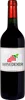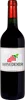
Winery Abel ClementGrenache Rouge
 Red wine


This wine generally goes well with beef and mature and hard cheese.

Food and wine pairings with Grenache Rouge
Pairings that work perfectly with Grenache Rouge


Original food and wine pairings with Grenache Rouge
The Grenache Rouge of Winery Abel Clement matches generally quite well with dishes of beef, lamb or game (deer, venison) such as recipes of sautéed pork with pineapple, rolled lamb shoulder with herbs or magret stuffed with foie gras.
Details and technical informations about Winery Abel Clement's Grenache Rouge.
Discover the grape variety: Valérien
Simple, fresh dry whites with a pale golden robe, supple palate with moderate acidity, showing understated citrus and white flower aromas. Discreet rustic southern profile. Nearly extinct, preserved in INRAE variety collections for its heritage value, it reflects the pre-phylloxera ampelographic diversity of south-eastern France. Rare French white variety, formerly grown in the south-east.
Informations about the Winery Abel Clement
The Winery Abel Clement is one of of the world's greatest estates. It offers 5 wines for sale in the of Haute Loire to come and discover on site or to buy online.

The wine region of Haute Loire
Auvergne vineyard on small altitude hillsides along the Allier and Loire, volcanic soils (basalt, granite). IGP Pays d'Urfé or Comtés Rhodaniens. Signature Gamay as red: fruity and fresh with red cherry, raspberry, redcurrant, violet and a volcanic mineral touch, fine tannins and refreshing palate. Fine Pinot Noir emerging.
The wine region of Loire Valley
Kingdom of lively, dry whites and fine sparklers. Mineral, taut Sauvignon Blanc (Sancerre, Pouilly-Fumé) with citrus and gunflint notes. Multiform Chenin Blanc (Vouvray, Savennières, Layon): straight dry, floral off-dry or noble sweet honey-quince. Saline, iodised Muscadet (Melon B.
The word of the wine: Overmaturation
When the grapes reach maturity, the skin becomes permeable and progressively loses water, which causes a concentration phenomenon inside the berry. This is called over-ripening or passerillage.