The Winery Zero-G of Wagram of Weinland
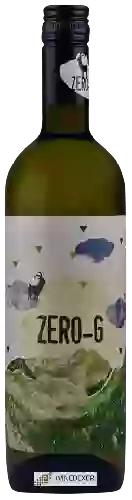
Winery Zero-G
The winery offers 3 different wines
3.6


Note - 1Note - 1Note - 1Note - 0.5Note - 0
Its wines get an average rating of 3.6.
It is ranked in the top 71 of the estates of Weinland.
It is located in Wagram in the region of Weinland

The Winery Zero-G is one of the world's great estates. It offers 3 wines for sale in of Wagram to come and discover on site or to buy online.
Top Winery Zero-G wines

Looking for the best Winery Zero-G wines in Wagram among all the wines in the region? Check out our tops of the best red, white or effervescent Winery Zero-G wines. Also find some food and wine pairings that may be suitable with the wines from this area. Learn more about the region and the Winery Zero-G wines with technical and enological descriptions.

The top white wines of Winery Zero-G

Food and wine pairings with a white wine of Winery Zero-G

How Winery Zero-G wines pair with each other generally quite well with dishes of pork, vegetarian or poultry such as recipes of grandma's chicken casserole, quiche without pastry or filet mignon in a quick crust.

Organoleptic analysis of white wines of Winery Zero-G

On the nose the white wine of Winery Zero-G. often reveals types of flavors of earth, tree fruit or spices and sometimes also flavors of citrus fruit, tropical fruit. In the mouth the white wine of Winery Zero-G. is a with a nice freshness.

The best vintages in the white wines of Winery Zero-G

  • 2018With an average score of 3.90/5
  • 2016With an average score of 3.80/5
  • 2014With an average score of 3.70/5
  • 0With an average score of 3.68/5
  • 2017With an average score of 3.60/5
  • 2013With an average score of 3.50/5

The grape varieties most used in the white wines of Winery Zero-G.

  • Grüner Veltliner
  • Müller-Thurgau

Discovering the wine region of Wagram

Austrian plateau north of the Danube on deep loess: signature Grüner Veltliner DAC (2021) as king white — spicy and peppery with notes of citrus, yellow fruits, lentil and a loessic mineral touch, remarkable texture and structure. Roter Veltliner, an emblematic grape unique to Wagram (a rare native white despite its name) — full-bodied, complex and age-worthy. Riesling completes it. Aeolian loess over alluvial gravels, continental climate tempered by Danube breezes — strong character.

The top red wines of Winery Zero-G

Food and wine pairings with a red wine of Winery Zero-G

How Winery Zero-G wines pair with each other generally quite well with dishes of beef, lamb or game (deer, venison) such as recipes of korean bibimbap, leg of lamb in a casserole or autumn pumpkin pie.

Organoleptic analysis of red wines of Winery Zero-G

On the nose the red wine of Winery Zero-G. often reveals types of flavors of red fruit, floral. In the mouth the red wine of Winery Zero-G. is a with a nice balance between acidity and tannins.

The best vintages in the red wines of Winery Zero-G

  • 2016With an average score of 3.60/5
  • 2014With an average score of 3.60/5
  • 0With an average score of 3.60/5
  • 2017With an average score of 3.60/5
  • 2015With an average score of 3.50/5
  • 2013With an average score of 3.50/5

The grape varieties most used in the red wines of Winery Zero-G.

  • Zweigelt

Discover the grape variety: Grüner Veltliner

Dry, vivid and structured whites with a pale golden robe, slender mouthfeel and preserved acidity, with signature aromas of white pepper, citrus (lemon, grapefruit), green apple, fresh vegetables (radish, rhubarb, watercress), herbs and loess mineral notes. Good ageing potential. Absolute star of Wachau DAC, Kamptal DAC, Kremstal DAC and Weinviertel DAC in Austria. The emblematic Austrian variety, the most planted in the country and a national identity signature.

Discover other wineries and winemakers neighboring the Winery Zero-G

Planning a wine route in the of Wagram? Here are the wineries to visit and the winemakers to meet during your trip in search of wines similar to Winery Zero-G.

Discover the grape variety: Zweigelt

Supple and fruity reds with a vivid ruby colour, soft tannins and snappy acidity, with aromas of sour cherry, raspberry, red plum and gentle spices. Made as easy-drinking young reds and as more structured, oak-aged cellar wines. The most planted red variety in Austria (Burgenland, Carnuntum, Neusiedlersee), created in 1922 by Friedrich Zweigelt in Klosterneuburg, a cross of saint laurent × blaufränkisch.