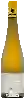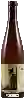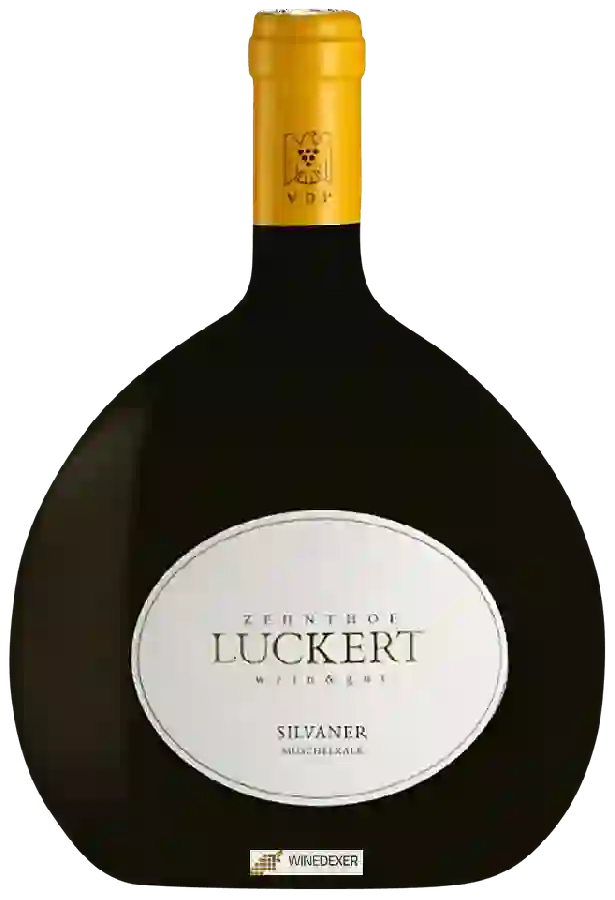
Winery Zehnthof LuckertMuschelkalk Silvaner
 White wine



In the mouth this white wine is a powerful with a nice freshness.
This wine generally goes well with pork, vegetarian or poultry.

Taste structure of the Muschelkalk Silvaner from the Winery Zehnthof Luckert
Light | Bold | |
Dry | Sweet | |
Soft | Acidic |
In the mouth the Muschelkalk Silvaner of Winery Zehnthof Luckert in the region of Franken is a powerful with a nice freshness.
Food and wine pairings with Muschelkalk Silvaner
Pairings that work perfectly with Muschelkalk Silvaner



Original food and wine pairings with Muschelkalk Silvaner


The Muschelkalk Silvaner of Winery Zehnthof Luckert matches generally quite well with dishes of veal, pork or vegetarian such as recipes of gigolette of rabbit, rice with sausage meat and tomatoes or light tuna-tomato quiche (without cream).
Details and technical informations about Winery Zehnthof Luckert's Muschelkalk Silvaner.
Discover the grape variety: Brachetto
Sweet, lightly sparkling reds with a clear ruby robe, a light and refreshing palate (low alcohol, ~5.5%), with intense, refined aromas of rose, wild strawberry, raspberry, geranium, fresh grape and airy muscat. Sweetness balanced by fine bubbles. Absolute star of Brachetto d'Acqui DOCG in Piedmont (Asti and Alessandria provinces), a festive wine served with red fruit desserts. Autochthonous aromatic Piedmontese variety, related to Muscat Blanc à Petits Grains.
Last vintages of this wine
The best vintages of Muschelkalk Silvaner from Winery Zehnthof Luckert are 2017, 0, 2019, 2018
Informations about the Winery Zehnthof Luckert
The Winery Zehnthof Luckert is one of of the world's great estates. It offers 37 wines for sale in the of Franken to come and discover on site or to buy online.

The wine region of Franken
Homeland of German Silvaner: dry, straight, mineral and lively whites with notes of green apple, citrus, fresh herbs and a saline touch, planted here for over 350 years (1,500 ha, a quarter of the vineyard). Also supple, floral Müller-Thurgau, taut Riesling, aromatic Bacchus. Some discreet reds (Spätburgunder). 6,040 ha in Bavaria along the Main around Würzburg, red sandstone and shell-limestone soils.
The word of the wine: Aranean
The underside of a grape leaf blade covered with tiny hairs distributed in a web-like pattern.