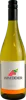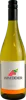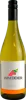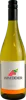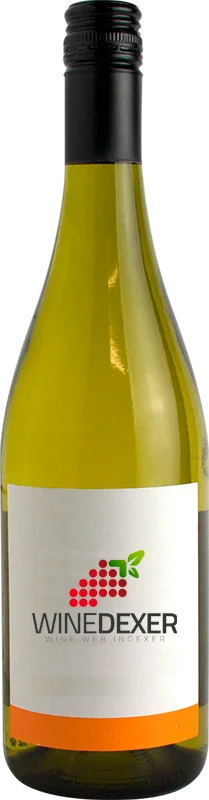
Winery Zehe-ClaussWeissburgunder Classic
 White wine
In the mouth this white wine is a with a nice freshness.
This wine generally goes well with rich fish (salmon, tuna etc), shellfish or mild and soft cheese.
Taste structure of the Weissburgunder Classic from the Winery Zehe-Clauss
Light | Bold | |
Dry | Sweet | |
Soft | Acidic |
In the mouth the Weissburgunder Classic of Winery Zehe-Clauss in the region of Rheinhessen is a with a nice freshness.
Food and wine pairings with Weissburgunder Classic
Pairings that work perfectly with Weissburgunder Classic



Original food and wine pairings with Weissburgunder Classic

The Weissburgunder Classic of Winery Zehe-Clauss matches generally quite well with dishes of rich fish (salmon, tuna etc), shellfish or mild and soft cheese such as recipes of raw salmon marinade with vinegars, shrimp curry and coconut (thailand) or homemade burger.
Details and technical informations about Winery Zehe-Clauss's Weissburgunder Classic.
Discover the grape variety: Muscat à petits grains
Muscat à petits grains is a white grape variety of Greek origin. Present in several Mediterranean vineyards, it has several synonyms such as muscat de Die, muscat blanc and frontignac. In France, it occupies a little less than 7,000 ha out of a total of 45,000 ha worldwide. Its young shoots are downy. Its youngest leaves are shiny, bronzed and scabrous. The berries and bunches of this variety are all medium-sized. The flesh of the berries is juicy, sweet and firm. Muscat à petits grains has a second ripening period and buds early in the year. It is moderately vigorous and must be pruned short. It likes poor, stony slopes. This variety is often exposed to spring frosts. It fears mildew, wasps, grape worms, court-noué, grey rot and powdery mildew. Muscat à petits grains is used to make rosé wines and dry white wines. Orange, brown sugar, barley sugar and raisins are the known aromas of these wines.
Informations about the Winery Zehe-Clauss
The Winery Zehe-Clauss is one of of the world's great estates. It offers 46 wines for sale in the of Rheinhessen to come and discover on site or to buy online.

The wine region of Rheinhessen
Rheinhessen is Germany's largest region for producing the quality wines of the Qualitätswein bestimmter Anbaugebiete (QbA) and Prädikatswein designations, with roughly 26,500 hectares (65,000 acres) of Vineyard">Vineyards as of 2014. Many of its most significant viticultural areas are favorably influenced by the Rhine river, which runs aLong its North and eastern borders. The Rhine, along with the Nahe river to the west and the Haardt mountains to its South, form a natural border. Rheinhessen covers an area south of Rheingau, north of Pfalz and east of Nahe, and is located within the Rhineland-Palatinate federal state.
The word of the wine: Vegetative cycle
All the different phases of the vine's development: winter rest period, budburst, inflorescence, flowering, fruit set, veraison, ripening.