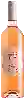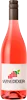
Winery ZariaRosé
 Pink wine


This wine generally goes well with poultry, beef or mature and hard cheese.

Food and wine pairings with Rosé
Pairings that work perfectly with Rosé



Original food and wine pairings with Rosé

The Rosé of Winery Zaria matches generally quite well with dishes of beef, spicy food or mature and hard cheese such as recipes of southern beef meatballs, navarin of lamb or chard with meat and mustard.
Details and technical informations about Winery Zaria's Rosé.
Discover the grape variety: Malbec
Deep, velvety reds with an intense purple colour, showing aromas of blackberry, black plum, violet, cocoa and gentle spice. Round tannins, fleshy palate, peppery length. Star of Cahors AOC (Côt, Auxerrois) in France and the absolute signature of Mendoza, Argentina (Uco Valley, Luján de Cuyo). A French South-West variety that became the Argentine emblem after its post-phylloxera decline.
Last vintages of this wine
The best vintages of Rosé from Winery Zaria are 0
Informations about the Winery Zaria
The Winery Zaria is one of of the world's greatest estates. It offers 3 wines for sale in the of Hawke's Bay to come and discover on site or to buy online.

The wine region of Hawke's Bay
Reference for great New Zealand reds, warm maritime climate (2,200 h of sun). Bordeaux blends on Gimblett Gravels: round, fruity Merlot (plum, ripe cherry), firm Cabernet Sauvignon (blackcurrant, cedar), perfumed Cabernet Franc. Signature northern-Rhône-style Syrah: peppery and floral (violet, blackberry, black olive), fine tannins. Structured, mineral Chardonnay.
The wine region of North Island
New Zealand's North Island, warmer and more varied than the South Island. Bordeaux varieties and Pinot Noir as signatures. Merlot in Hawke's Bay as a supple red with notes of plum, ripe cherry, fresh herbs and a spicy touch, round tannins — blended with Cabernet and peppery Syrah. Fine Pinot Noir in Wairarapa/Martinborough (cherry, undergrowth).
The word of the wine: Olfaction
Perception of odours and aromas by the olfactory bulb. Retroolfaction is the same phenomenon inside the mouth via the retronasal route.