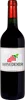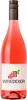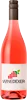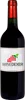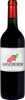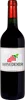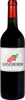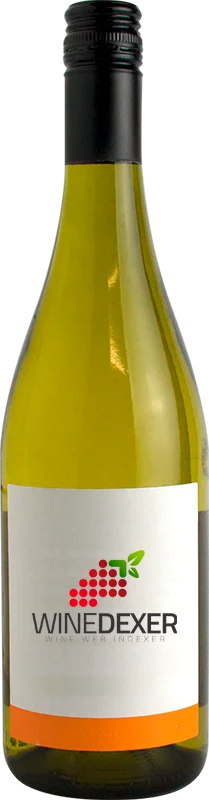
Zacharias WineryΜοσχοφιλερο Ζαχαριά (Moschofilero Zacharias)
 White wine



This wine generally goes well with

Wine flavors and olphactive analysis

On the nose the Μοσχοφιλερο Ζαχαριά (Moschofilero Zacharias) of Zacharias Winery in the region of Peloponnesos often reveals types of flavors of citrus fruit, tropical fruit.
Details and technical informations about Zacharias Winery's Μοσχοφιλερο Ζαχαριά (Moschofilero Zacharias).
Discover the grape variety: Moschofilero
Aromatic, tense whites and rosés with a pale robe, lean palate and lively acidity. Intense aromas of rose, white flowers (acacia), citrus (lemon, bergamot), lychee, muscat and spicy notes. Refreshing, elegant muscat profile. Star of Mantinia PDO on the high-altitude plateaus of the Peloponnese (600-700 m), sometimes also in sparkling wines. Native Greek variety with a pink skin, one of Greece's great aromatic whites, successfully exported.
Last vintages of this wine
The best vintages of Μοσχοφιλερο Ζαχαριά (Moschofilero Zacharias) from Zacharias Winery are 2019, 2018, 0, 2017
Informations about the Zacharias Winery
The Zacharias Winery is one of of the world's greatest estates. It offers 52 wines for sale in the of Peloponnesos to come and discover on site or to buy online.

The wine region of Peloponnesos
Southern Greece, the country's 2nd region by volume, high-altitude vineyards (200-900 m). Signature Agiorgitiko at Nemea ("Hercules' Blood"): deep ruby reds with signature notes of black cherry, plum, blackberry, sweet spices and a balsamic touch, supple tannins and a velvety palate — fleshy and accessible. At Mantinia (600 m), pink-skinned Moschofilero gives aromatic whites (rose, citrus, white flowers). Sweet fortified Mavrodaphne, fresh Roditis.
The word of the wine: Presses
The juice that results from pressing the grapes after fermentation. At the end of the maceration, the vats are emptied, the first juice obtained is called the free-run wine and the marc remaining at the bottom of the vat is then pressed to give the press wine. We say more quickly "the presses". Their quality varies according to the vintage and the maceration. A too vigorous extraction releases the tannins of pips and the wine of press can then prove to be very astringent. Often the winemaker raises it separately, deciding later whether or not to incorporate it totally or partially into the grand vin.