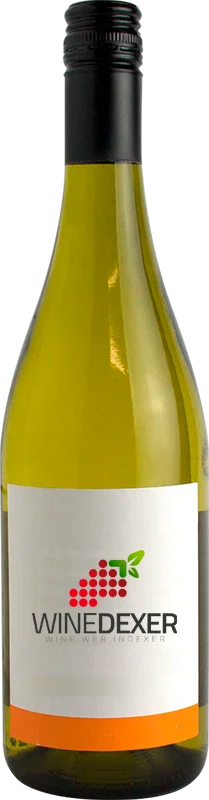
Winery Xavier RogerParole Occitane
 White wine



In the mouth this white wine is a powerful.
This wine generally goes well with vegetarian, poultry or lean fish.

Taste structure of the Parole Occitane from the Winery Xavier Roger
Light | Bold | |
Dry | Sweet | |
Soft | Acidic |
In the mouth the Parole Occitane of Winery Xavier Roger in the region of Pays d'Oc is a powerful.
Wine flavors and olphactive analysis

Food and wine pairings with Parole Occitane
Pairings that work perfectly with Parole Occitane



Original food and wine pairings with Parole Occitane


The Parole Occitane of Winery Xavier Roger matches generally quite well with dishes of pasta, vegetarian or poultry such as recipes of makroud, tuna, pepper and tomato quiche or spanish omelette (tortilla auténtica).
Details and technical informations about Winery Xavier Roger's Parole Occitane.
Discover the grape variety: Manseng
Light and fruity reds with a clear ruby robe, fine tannins and fresh acidity, with aromas of red fruits (raspberry, redcurrant), spices and herbaceous notes. An airy, easy-drinking style. Preserved in a few heritage plots in Béarn and the French Basque Country for its historical value. A very rare autochthonous south-west variety, with no direct genetic link to the white petit and gros manseng despite the shared name.
Last vintages of this wine
The best vintages of Parole Occitane from Winery Xavier Roger are 2016, 2017
Informations about the Winery Xavier Roger
The Winery Xavier Roger is one of of the world's great estates. It offers 43 wines for sale in the of Pays d'Oc to come and discover on site or to buy online.

The wine region of Pays d'Oc
The single-grape IGP par excellence: modern, accessible, frank and fruity wines, the popular signature of the Midi. Spicy Syrah reds (pepper, blackberry), round Merlot, structured Cabernet, generous Grenache, supple Cinsault. Crisp, tangy rosés. Opulent Chardonnay whites, lively Sauvignon, floral, apricoty Viognier.
The word of the wine: Astringency
Chemical stimulation that tightens the mucous membranes of the mouth and causes a sensation of harshness, which is characteristic of the presence of tannins. With time, the tannins lose their harshness and become softer.