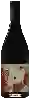
X WineryAmicus Cabernet Sauvignon
 wine
wine
This wine generally goes well with
The Amicus Cabernet Sauvignon of the X Winery is in the top 0 of wines of Spring Mountain District.
Details and technical informations about X Winery's Amicus Cabernet Sauvignon.
Discover the grape variety: Colobel
Colobel noir is a grape variety that originated in France. It is a variety resulting from a cross of the same species (interspecific hybridization). It produces a variety of grape specially used for wine making. It is rare to find this grape for eating on our tables. The Colobel noir can be found in the vineyards of the Rhône Valley.
Last vintages of this wine


The best vintages of Amicus Cabernet Sauvignon from X Winery are 0
Informations about the X Winery
The X Winery is one of of the world's greatest estates. It offers 25 wines for sale in the of Spring Mountain District to come and discover on site or to buy online.

The wine region of Spring Mountain District
The wine region of Spring Mountain District is located in the region of Napa Valley of California of United States. Wineries and vineyards like the Domaine Lokoya or the Domaine Barnett produce mainly wines red, white and pink. The most planted grape varieties in the region of Spring Mountain District are Cabernet-Sauvignon, Merlot and Cabernet franc, they are then used in wines in blends or as a single variety. On the nose of Spring Mountain District often reveals types of flavors of cherry, citrus fruit or white peach and sometimes also flavors of salt, stone or almonds.
The wine region of California
California is the largest and most important wine region in the United States. It represents the southern two-thirds (850 miles or 1,370 kilometers) of the country's west coast. (Oregon and Washington make up the rest. ) The state also spans nearly 10 degrees of latitude.
The word of the wine: Aroma
A pleasant smell that can be primary (or varietal, i.e. characteristic of the grape), secondary (resulting from fermentation) or tertiary (resulting from the aging of the wine in the bottle).