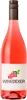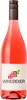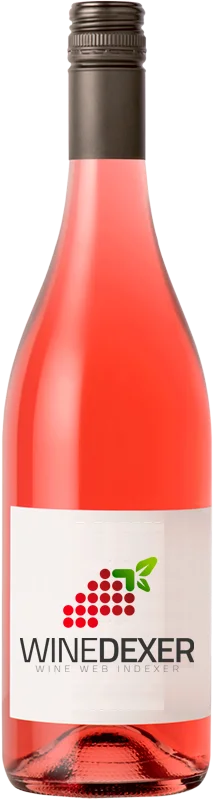
Winery WynnwoodSummer Blush Rosé
 Pink wine
This wine generally goes well with pork, poultry or veal.
Food and wine pairings with Summer Blush Rosé
Pairings that work perfectly with Summer Blush Rosé



Original food and wine pairings with Summer Blush Rosé


The Summer Blush Rosé of Winery Wynnwood matches generally quite well with dishes of veal, pork or game (deer, venison) such as recipes of veal shank in a pot au feu with star anise, summer orecchiette or duck breast and roasted peaches.
Details and technical informations about Winery Wynnwood's Summer Blush Rosé.
Discover the grape variety: Pinot noir
Pinot noir is an important red grape variety in Burgundy and Champagne, and its reputation is well known! Great wines such as the Domaine de la Romanée Conti elaborate their wines from this famous grape variety, and make it a great variety. When properly vinified, pinot noit produces red wines of great finesse, with a wide range of aromas depending on its advancement (fruit, undergrowth, leather). it is also the only red grape variety authorized in Alsace. Pinot Noir is not easily cultivated beyond our borders, although it has enjoyed some success in Oregon, the United States, Australia and New Zealand.
Informations about the Winery Wynnwood
The Winery Wynnwood is one of of the world's greatest estates. It offers 7 wines for sale in the of British Columbia to come and discover on site or to buy online.

The wine region of British Columbia
British Columbia is Canada's westernmost province, located on the edge of the Pacific Ocean. The diversity of landscapes here – from rainy islands to desert-like valley floors – means that a wide variety of Grapes are planted here. They include Chardonnay, Pinot Noir and Riesling, as well as Cabernet Sauvignon and Merlot. While volumes are lower than those of the province of Ontario, British Columbia is home to a rapidly growing wine industry.
The word of the wine: Structure
Refers to both the structure and the overall constitution of a wine.