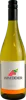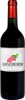
Winery Wyhuus St. AndrePrimitivo Di Salento
 wine
wine
This wine generally goes well with
The Primitivo Di Salento of the Winery Wyhuus St. Andre is in the top 0 of wines of South Eastern.

Details and technical informations about Winery Wyhuus St. Andre's Primitivo Di Salento.
Discover the grape variety: Fetească regală
Lively, aromatic whites to drink young, with a pale golden robe and an airy palate, with signature aromas of citrus (lemon, grapefruit), white flowers (acacia), green apple and fresh herbal notes. Also as sparkling and sweet wines. One of the most planted varieties in Romania, producing accessible dry and medium-dry wines across all regions. Romanian white variety obtained in 1920 at Daneș (fetească albă × grasă de Cotnari).
Informations about the Winery Wyhuus St. Andre
The Winery Wyhuus St. Andre is one of of the world's greatest estates. It offers 8 wines for sale in the of South Eastern to come and discover on site or to buy online.

The wine region of South Eastern
Australian super-zone covering ~95% of the national vineyard (NSW, Victoria, South Australia, Tasmania, southern Queensland). Shiraz is the red king (more than half of plantings): fleshy and sun-drenched with intense blackberry, plum, black cherry, pepper, liquorice and eucalyptus notes, round tannins and generous body. Firm Cabernet, supple Merlot, fruity Grenache. Opulent Chardonnay leads the whites; lively Sauvignon and Semillon.
The word of the wine: Crémant
AOC sparkling wine made by traditional method, with specific constraints in the regions of Alsace, Bordeaux, Burgundy, Die, Jura, Limoux and the Loire Valley, as well as in Luxembourg.