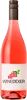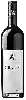
Winery Winzer vom Weinsberger TalLemberger Kabinett
 Red wine



This wine generally goes well with pork, rich fish (salmon, tuna etc) or mature and hard cheese.

Food and wine pairings with Lemberger Kabinett
Pairings that work perfectly with Lemberger Kabinett



Original food and wine pairings with Lemberger Kabinett

The Lemberger Kabinett of Winery Winzer vom Weinsberger Tal matches generally quite well with dishes of pork, rich fish (salmon, tuna etc) or mature and hard cheese such as recipes of beef carrots, gratin dauphinois with smoked salmon or ginouflade (kind of truffade or aligot but multi cheese).
Details and technical informations about Winery Winzer vom Weinsberger Tal's Lemberger Kabinett.
Discover the grape variety: Semebat
Light, simple fruity reds with a pale, lightly coloured ruby, soft tannins and an airy palate with moderate acidity, undemonstrative red fruit aromas. Rustic, discreet profile. Almost extinct, preserved in INRAE varietal collections for its heritage value, testament to the pre-phylloxera ampelographic diversity of the South-West and studied among heritage varieties. Rare French black variety, once grown in the South-West.
Last vintages of this wine
The best vintages of Lemberger Kabinett from Winery Winzer vom Weinsberger Tal are 0
Informations about the Winery Winzer vom Weinsberger Tal
The Winery Winzer vom Weinsberger Tal is one of of the world's great estates. It offers 90 wines for sale in the of Württemberg to come and discover on site or to buy online.

The wine region of Württemberg
Rare predominantly red region in Germany (nearly 70%). Supple, fruity everyday reds: light, crisp Trollinger (Schiava) with red fruits, more structured, spicy, deep Lemberger (Blaufränkisch), generous Schwarzriesling (Pinot Meunier). Riesling king of whites (>2,000 ha), lively and mineral, citrus and green apple. Germany's 4th region (11,500 ha) on the Neckar slopes around Heilbronn and Stuttgart.
The word of the wine: Wort
Juice before fermentation, still loaded with sugar.