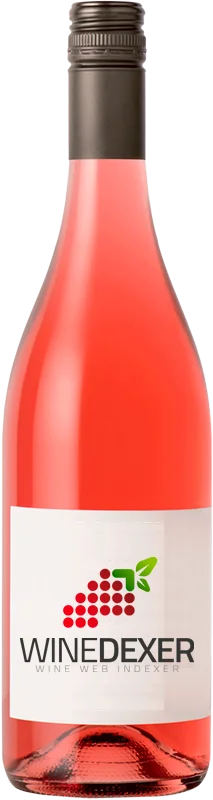
Winery Windy OaksBastide La Combe Rosé
 Pink wine


This wine generally goes well with beef and mature and hard cheese.
Food and wine pairings with Bastide La Combe Rosé
Pairings that work perfectly with Bastide La Combe Rosé


Original food and wine pairings with Bastide La Combe Rosé
The Bastide La Combe Rosé of Winery Windy Oaks matches generally quite well with dishes of beef or mature and hard cheese such as recipes of american fillet (belgian-style beef tartar) or gratin comtois.
Details and technical informations about Winery Windy Oaks's Bastide La Combe Rosé.
Discover the grape variety: Gouget noir
This grape variety was cultivated in the Montluçonnaise region (Allier) since the origin of the vineyards in this region. For a long time it was confused with Gougean de l'Allier, but genetic analyses show that it comes from a mutation of Gouais blanc, also called Gouget blanc. Gouget noir is practically on the verge of extinction, although it is listed in the Official Catalogue of Wine Grape Varieties, list A1. It was therefore very well known in the wine-growing centre of France but totally absent from other French regions and abroad.
Last vintages of this wine
The best vintages of Bastide La Combe Rosé from Winery Windy Oaks are 0
Informations about the Winery Windy Oaks
The Winery Windy Oaks is one of of the world's great estates. It offers 28 wines for sale in the of Monterey to come and discover on site or to buy online.

The wine region of Monterey
The wine region of Monterey is located in the region of Monterey County of California of United States. Wineries and vineyards like the Domaine Scheid Vineyards or the Domaine Diora produce mainly wines red, white and pink. The most planted grape varieties in the region of Monterey are Pinot noir, Chardonnay and Cabernet-Sauvignon, they are then used in wines in blends or as a single variety. On the nose of Monterey often reveals types of flavors of cream, kiwi or gooseberry and sometimes also flavors of guava, mango or baked apple.
The wine region of California
California is the largest and most important wine region in the United States. It represents the southern two-thirds (850 miles or 1,370 kilometers) of the country's west coast. (Oregon and Washington make up the rest. ) The state also spans nearly 10 degrees of latitude.
The word of the wine: Passerillage
Concentration of the grape by drying out, under the influence of wind or sun, as opposed to botrytisation, which is the concentration obtained by the development of the "noble rot" for which Botrytis cinerea is responsible. The word is mainly used for sweet wines.