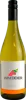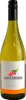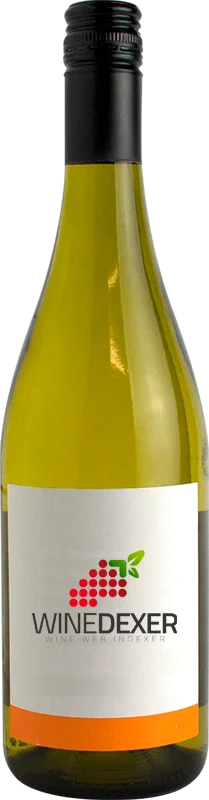
Winery The WilliamsburgPetite Fleur
 White wine



This wine generally goes well with sweet desserts

Wine flavors and olphactive analysis


On the nose the Petite Fleur of Winery The Williamsburg in the region of Virginia often reveals types of flavors of earth, tree fruit or citrus fruit.
Food and wine pairings with Petite Fleur
Pairings that work perfectly with Petite Fleur

Original food and wine pairings with Petite Fleur
The Petite Fleur of Winery The Williamsburg matches generally quite well with dishes of sweet desserts such as recipes of traditional pastry flan.
Details and technical informations about Winery The Williamsburg's Petite Fleur.
Discover the grape variety: Vidal blanc
Aromatic, structured whites with firm acidity preserved at full ripeness, featuring aromas of citrus, pineapple, mango, apricot, honey and muscat notes. Absolute star of Canadian Icewines (Ontario, Quebec, Nova Scotia) where thick-skinned berries survive on the vine through frost, yielding rich liquoreux with exotic fruit and honey aromas. Also made as dry and semi-sweet whites in the northeastern United States. French hybrid created in 1930 by Jean-Louis Vidal (Ugni Blanc × Rayon d'Or).
Last vintages of this wine
The best vintages of Petite Fleur from Winery The Williamsburg are 0, 2018
Informations about the Winery The Williamsburg
The Winery The Williamsburg is one of of the world's great estates. It offers 76 wines for sale in the of Virginia to come and discover on site or to buy online.

The wine region of Virginia
Quality pole of the American east coast, unique signature in Viognier: ample, fragrant whites with notes of apricot, white peach, honey and flowers, silky on the palate. Cabernet Franc star in red, fine and fresh (raspberry, ripe pepper, spices). Also dense Petit Verdot, round Merlot, balanced Chardonnay, Vidal Blanc and native Norton. Humid continental climate tempered by the Appalachians, 8 AVAs (Monticello, Shenandoah).
The word of the wine: Performance
Quantity of grapes harvested per hectare. In AOC, the average yield is limited on the proposal of the appellation syndicate, validated by the Inao. The use of high-performance plant material (especially clones) and better control of vine diseases have increased yields. This is not without consequences on the quality of the wines (dilution) and on the state of the market (too much wine). We must not over-simplify: low yields are not synonymous with quality, and it is often in years with generous harvests that we find the greatest vintages (1982 and 1986 in Bordeaux, 1996 in Champagne, 1990 and 2005 in Burgundy...).