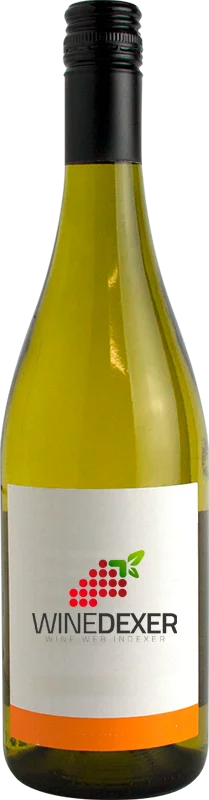
Winery Wiley RoosterMolly's Blend
 White wine


This wine generally goes well with pork, vegetarian or poultry.

Wine flavors and olphactive analysis

On the nose the Molly's Blend of Winery Wiley Rooster in the region of Australie du Sud-Est often reveals types of flavors of tree fruit, citrus fruit.
Food and wine pairings with Molly's Blend
Pairings that work perfectly with Molly's Blend



Original food and wine pairings with Molly's Blend



The Molly's Blend of Winery Wiley Rooster matches generally quite well with dishes of pork, rich fish (salmon, tuna etc) or shellfish such as recipes of country cabbage, salmon burger or tagliatelle with seafood and saffron cream.
Details and technical informations about Winery Wiley Rooster's Molly's Blend.
Discover the grape variety: Riesling
Crystalline, taut whites with vibrant acidity and aromas of citrus, green apple, white flowers, vineyard peach and mineral/petrol notes with age. Made as dry (Trocken, Alsace), off-dry (Kabinett, Spätlese) and sweet (Auslese, Beerenauslese, Trockenbeerenauslese, late harvest). Star of the Moselle, Rheingau, Alsace AOC and Wachau. Also exported to Clare Valley and Finger Lakes.
Last vintages of this wine
The best vintages of Molly's Blend from Winery Wiley Rooster are 2017, 0, 2016
Informations about the Winery Wiley Rooster
The Winery Wiley Rooster is one of of the world's greatest estates. It offers 11 wines for sale in the of Australie du Sud-Est to come and discover on site or to buy online.

The wine region of Australie du Sud-Est
Macro blending zone covering the southern half of the country (NSW, Victoria, Tasmania, parts of SA and QLD). Accessible, vintage-consistent brand wines: supple fruity Shiraz (blackberry, sweet spice), round Cabernet Sauvignon, gourmet Merlot, opulent Chardonnay (yellow fruit, vanilla), lively Sauvignon Blanc, lemony Sémillon. Status created for export and major international brands. From aperitif to everyday, an affordable, fruity expression of the Australian style.
The word of the wine: Yeast
Micro-organisms at the base of all fermentative processes. A wide variety of yeasts live and thrive naturally in the vineyard, provided that treatments do not destroy them. Unfortunately, their replacement by laboratory-selected yeasts is often the order of the day and contributes to the standardization of the wine. Yeasts are indeed involved in the development of certain aromas.