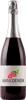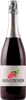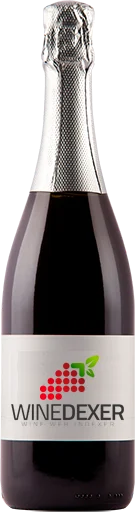
Winery Wijngoed MontebergBrut-Rood
 Sparkling wine



This wine generally goes well with
The Brut-Rood of the Winery Wijngoed Monteberg is in the top 10 of wines of Heuvellandse Wijn.

Details and technical informations about Winery Wijngoed Monteberg's Brut-Rood.
Discover the grape variety: Pinot
An iconic family with varied profiles: fine, silky age-worthy reds (Pinot Noir) with cherry, raspberry and undergrowth aromas; lively mineral whites (Pinot Blanc/Weißburgunder); round spicy whites (Pinot Gris/Grauburgunder); fruity Champagne bases (Pinot Meunier/Spätburgunder). Stars of Burgundy, Alsace, Champagne, Germany and the New World. All mutations of a common Burgundian ancestor, among the world's greatest varieties.
Informations about the Winery Wijngoed Monteberg
The Winery Wijngoed Monteberg is one of of the world's greatest estates. It offers 20 wines for sale in the of Heuvellandse Wijn to come and discover on site or to buy online.

The wine region of Heuvellandse Wijn
AOP from Flemish Heuvelland (West Flanders, 2005) on the south-facing slopes of Kemmel and Monteberg, well-draining sandy-loamy soils, cool climate tempered by the North Sea. Chardonnay, Pinot Gris, and Kerner are the signature whites: taut and precise with notes of citrus, apple, white flowers, and a mineral touch, cutting acidity — ideal for traditional-method sparkling wines. Auxerrois, Riesling, and Pinot Blanc as complements. Still wines, rosés, and sparkling wines.
The wine region of Flandre
Northern Belgian vineyard (~60% of national production), sandy and clay-limestone soils, temperate maritime climate comparable to Champagne 30 years ago. Signature Chardonnay as white king: taut and precise with notes of citrus, green apple, white flowers, brioche and chalky touch — base for fresh and precise sparklers. Aerial Pinot Noir (cherry, raspberry), round Pinot Meunier, vibrant Riesling. PIWI (Solaris, Johanniter) as complements.
The word of the wine: Barrel
Unit of measure for the transport and marketing of bulk wines, corresponding to 4 barrels of 225 l, i.e. 900 l.