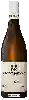
Winery The Whale CoveSauvignon Blanc
 White wine


In the mouth this white wine is a with a nice freshness.
This wine generally goes well with vegetarian, shellfish or goat cheese.

Taste structure of the Sauvignon Blanc from the Winery The Whale Cove
Light | Bold | |
Dry | Sweet | |
Soft | Acidic |
In the mouth the Sauvignon Blanc of Winery The Whale Cove in the region of Western Cape is a with a nice freshness.
Food and wine pairings with Sauvignon Blanc
Pairings that work perfectly with Sauvignon Blanc


Original food and wine pairings with Sauvignon Blanc
The Sauvignon Blanc of Winery The Whale Cove matches generally quite well with dishes of shellfish, vegetarian or goat cheese such as recipes of violet omelette, tuna, pepper and tomato quiche or goat's cheese tartine au gratin.
Details and technical informations about Winery The Whale Cove's Sauvignon Blanc.
Discover the grape variety: Silcher
Aromatic and lively whites to drink young, with a pale golden robe, an airy palate with preserved acidity on muscat-like aromas, white flowers, citrus (lemon) and floral notes. Also as off-dry wines. Grown on very small surfaces in Germany, remains confidential and appreciated for dry and off-dry aromatic wines. German white variety bred at Geisenheim (Riesling × Bukettrebe), late and productive.
Last vintages of this wine
The best vintages of Sauvignon Blanc from Winery The Whale Cove are 2017, 0
Informations about the Winery The Whale Cove
The Winery The Whale Cove is one of of the world's greatest estates. It offers 5 wines for sale in the of Western Cape to come and discover on site or to buy online.

The wine region of Western Cape
Cradle of South African wine. Signature Chenin Blanc (Steen, 20%) in ample, fresh whites with notes of quince, yellow apple, honey and acacia flower, from crisp dry to sweet. Sharp, iodised Sauvignon Blanc (Walker Bay, Constantia), balanced Chardonnay. Reds: emblematic Pinotage with roasted aromas (coffee, plum, smoke), firm Cabernet Sauvignon, spicy Syrah.
The word of the wine: De-vatting
Separation of the fermented juice from all solid particles (skin, pips, deposit of lees) by transferring it to a second tank.