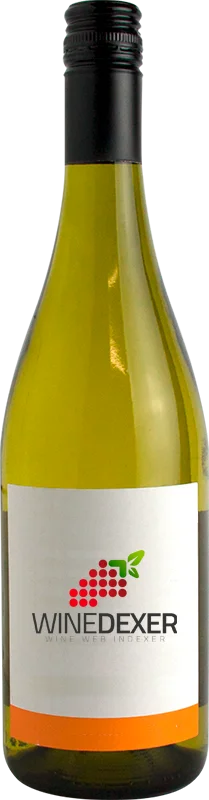
Winery WeixelbaumStrasser Muskat Ottonel
 White wine
This wine generally goes well with

Details and technical informations about Winery Weixelbaum's Strasser Muskat Ottonel.
Discover the grape variety: Muscat Ottonel
Delicate and fine muscat whites with a tender palate and moderate acidity, on intense and refined aromas of orange blossom, rose, fresh grape, citrus, white peach and airy muscat (more subtle than Muscat Blanc à Petits Grains). Made as aromatic dry aperitif whites (Alsace, Baden), off-dry and sumptuous botrytised liquoreux (Burgenland in Austria, Cotnari in Romania, Tokaj). Created in the 19th century by Robert Moreau (Angers), a cross of Chasselas × Muscat de Saumur.
Informations about the Winery Weixelbaum
The Winery Weixelbaum is one of of the world's great estates. It offers 36 wines for sale in the of Kamptal to come and discover on site or to buy online.

The wine region of Kamptal
Austrian star around Langenlois (Lower Austria): signature Grüner Veltliner DAC as the white king — concentrated and fruity-spicy with notes of citrus, green apple, stone fruits and a white pepper touch, taut acidity (loess and clay). Mineral, powerful Riesling on the steep terraces of the Heiligenstein (crystalline) — citrus, peach, flint and great ageing. Chardonnay and Pinots as support. Kamp valley, conglomerates and red sandstones, wines of character.
The wine region of Weinland
Vast German-speaking region in north-eastern Switzerland, the country's largest production area. Signature Pinot Noir (Blauburgunder): fine, fresh reds with notes of cherry, raspberry, undergrowth and sweet spices, silky tannins. Elegant, delicate style, often barrel-aged. Also light, floral Müller-Thurgau (Riesling-Sylvaner), lively, lemony native Räuschling, ample Pinot Gris.
The word of the wine: Gutedel
See chasselas.