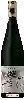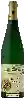
Weingut TrossenRivaner Classic
 White wine
In the mouth this white wine is a .
This wine generally goes well with vegetarian, appetizers and snacks or lean fish.

Taste structure of the Rivaner Classic from the Weingut Trossen
Light | Bold | |
Dry | Sweet | |
Soft | Acidic |
In the mouth the Rivaner Classic of Weingut Trossen in the region of Mosel is a .
Food and wine pairings with Rivaner Classic
Pairings that work perfectly with Rivaner Classic



Original food and wine pairings with Rivaner Classic


The Rivaner Classic of Weingut Trossen matches generally quite well with dishes of shellfish, spicy food or vegetarian such as recipes of cuttlefish in sauce, lamb curry indian style or cream and tuna quiche.
Details and technical informations about Weingut Trossen's Rivaner Classic.
Discover the grape variety: Dobricic
Structured and intensely coloured reds with a deep ruby colour, firm tannins and dense palate, with signature aromas of black fruit (blackberry, blackcurrant), Mediterranean herbs, spices and saline marine notes. A confidential, sun-drenched Dalmatian profile. Grown almost exclusively on the island of Šolta, it embodies the ancient identity of Dalmatia. A very rare indigenous Croatian black variety, parent of Plavac Mali (a cross with Crljenak Kaštelanski = Zinfandel/Primitivo).
Informations about the Weingut Trossen
The Weingut Trossen is one of of the world's great estates. It offers 48 wines for sale in the of Mosel to come and discover on site or to buy online.

The wine region of Mosel
Kingdom of lively, crystalline Riesling: citrus, green apple, gunflint, tangy tension and signature slate minerality. From light, fruity Kabinett to off-dry Spätlese, up to sweet Auslese and Trockenbeerenauslese of rare finesse. Some supple Müller-Thurgau and lively Elbling. Steeply sloped vineyards (up to 65% at the Bremmer Calmont) on blue and grey slate, 5,400 ha of Riesling (61.
The word of the wine: Stripped
Said of a wine that is generally too old and has lost its colour, volume and power.