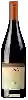
Weingut SonnenhofSonnenhof Grauer Burgunder
 White wine
In the mouth this white wine is a .
This wine generally goes well with pork, cured meat or mushrooms.

Taste structure of the Sonnenhof Grauer Burgunder from the Weingut Sonnenhof
Light | Bold | |
Dry | Sweet | |
Soft | Acidic |
In the mouth the Sonnenhof Grauer Burgunder of Weingut Sonnenhof in the region of Baden is a .
Food and wine pairings with Sonnenhof Grauer Burgunder
Pairings that work perfectly with Sonnenhof Grauer Burgunder


Original food and wine pairings with Sonnenhof Grauer Burgunder

The Sonnenhof Grauer Burgunder of Weingut Sonnenhof matches generally quite well with dishes of pork, spicy food or mushrooms such as recipes of steamed pork chops, banh mi sandwich or whole duck casserole with white wine.
Details and technical informations about Weingut Sonnenhof's Sonnenhof Grauer Burgunder.
Discover the grape variety: Malvar
Fresh, aromatic dry whites with a pale golden colour, a supple palate and preserved acidity, showing signature aromas of citrus (lemon, grapefruit), white flowers, white-fleshed fruits (pear) and calcareous mineral notes. Continental refreshing profile. An essential component of Vinos de Madrid DO sub-region of Arganda, defining the viticultural identity of the Spanish capital region. Native white variety from Madrid, productive and historic.
Informations about the Weingut Sonnenhof
The Weingut Sonnenhof is one of of the world's great estates. It offers 28 wines for sale in the of Baden to come and discover on site or to buy online.

The wine region of Baden
German capital of Pinot Noir (Spätburgunder): silky, fine reds with notes of red fruits, cherry, undergrowth and sweet spices, melted tannins. Round Grauburgunder (Pinot Gris), lively Weissburgunder, supple Müller-Thurgau, mineral Riesling. Germany's 3rd region (15,000 ha) in Baden-Württemberg facing Alsace, one of the country's warmest climates, volcanic soils at the Kaiserstuhl. Cradle of modern great German reds, elegant and fine.
The word of the wine: Tertiary aromas
Aromas resulting from the aging of the wine in the bottle. The aromas evolve with time, from fresh fruitiness to notes of stewed, candied or dried fruit, to aromas of venison or undergrowth.