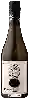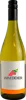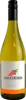
Weingut R&A PfafflSignature Muskateller
 White wine
This wine generally goes well with spicy food and sweet desserts.

Food and wine pairings with Signature Muskateller
Pairings that work perfectly with Signature Muskateller


Original food and wine pairings with Signature Muskateller
The Signature Muskateller of Weingut R&A Pfaffl matches generally quite well with dishes of spicy food or sweet desserts such as recipes of rougail sausage or apple cake.
Details and technical informations about Weingut R&A Pfaffl's Signature Muskateller.
Discover the grape variety: Malvasia Bianca Lunga
Structured, rich dry whites with a pale golden colour, a full palate and moderate acidity, showing signature aromas of yellow fruits (pear, apricot), white flowers, almond and discreet muscat notes. Also a pillar of Tuscan Vin Santo passito, producing honeyed, dried-fruit sweet wines. A traditional component of Chianti (before 2006) and many Tuscan whites. White Malvasia variety grown in Tuscany and Umbria.
Informations about the Weingut R&A Pfaffl
The Weingut R&A Pfaffl is one of of the world's great estates. It offers 90 wines for sale in the of Niederösterreich to come and discover on site or to buy online.

The wine region of Niederösterreich
Homeland of Grüner Veltliner: Austria's signature dry whites, lively, peppery ("Pfefferl"), with notes of citrus, green apple, fennel and fine minerality, from crunchy everyday to great age-worthy bottles on lees. Taut, precise Riesling on the Wachau terraces (UNESCO). Quieter reds: supple Zweigelt with red fruit. Subregions: Wachau, Kremstal, Kamptal, Wagram, Weinviertel.
The wine region of Weinland
Vast German-speaking region in north-eastern Switzerland, the country's largest production area. Signature Pinot Noir (Blauburgunder): fine, fresh reds with notes of cherry, raspberry, undergrowth and sweet spices, silky tannins. Elegant, delicate style, often barrel-aged. Also light, floral Müller-Thurgau (Riesling-Sylvaner), lively, lemony native Räuschling, ample Pinot Gris.
The word of the wine: Grafting
A method used since the phylloxera crisis, consisting of fixing a graft of local origin on a rootstock resistant to phylloxera.