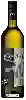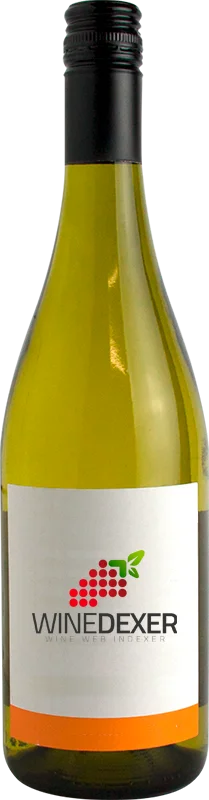
Weingut Müller SchneckenhofFalke Grauburgunder Trocken
 White wine
In the mouth this white wine is a .
This wine generally goes well with pork, cured meat or mushrooms.
Taste structure of the Falke Grauburgunder Trocken from the Weingut Müller Schneckenhof
Light | Bold | |
Dry | Sweet | |
Soft | Acidic |
In the mouth the Falke Grauburgunder Trocken of Weingut Müller Schneckenhof in the region of Württemberg is a .
Food and wine pairings with Falke Grauburgunder Trocken
Pairings that work perfectly with Falke Grauburgunder Trocken


Original food and wine pairings with Falke Grauburgunder Trocken

The Falke Grauburgunder Trocken of Weingut Müller Schneckenhof matches generally quite well with dishes of pork, spicy food or mushrooms such as recipes of rabbit with prunes, chicken tikka massala or bigos (polish sauerkraut with paprika).
Details and technical informations about Weingut Müller Schneckenhof's Falke Grauburgunder Trocken.
Discover the grape variety: Penouille
An ancient grape variety from the southwest of France that used to be found in the Bordeaux region and in the vineyards of Fronton (Haute Garonne). Today, it is in the process of disappearing.
Informations about the Weingut Müller Schneckenhof
The Weingut Müller Schneckenhof is one of of the world's greatest estates. It offers 16 wines for sale in the of Württemberg to come and discover on site or to buy online.

The wine region of Württemberg
Württemberg is known as Germany's premier red wine region. With almost 11,500 hectares (28,500 acres) of vineyards, it is the fourth-largest wine region in the country. Found adjacent to Baden and South of Franken, Wüttemberg is a particularly hilly and rural wine-region. Almost 70-percent of Württemberg wines are red, predominantly made from Trollinger, SchwarzRiesling and Lemberger.
The word of the wine: Nouaison
Phase of the vegetative cycle of the vine following flowering and corresponding to the formation of the grape berry.