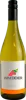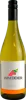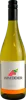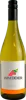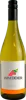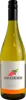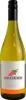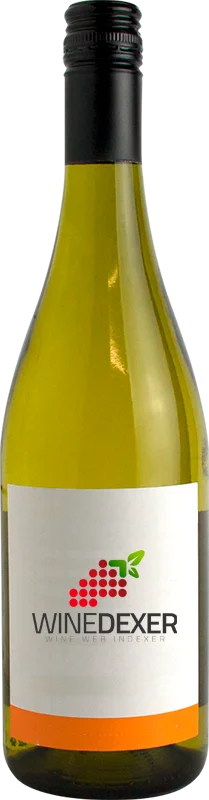
Weingut HeesAuener Höhe Weissburgunder Trocken
 White wine


In the mouth this white wine is a powerful with a nice freshness.
This wine generally goes well with rich fish (salmon, tuna etc), shellfish or mild and soft cheese.
Taste structure of the Auener Höhe Weissburgunder Trocken from the Weingut Hees
Light | Bold | |
Dry | Sweet | |
Soft | Acidic |
In the mouth the Auener Höhe Weissburgunder Trocken of Weingut Hees in the region of Nahe is a powerful with a nice freshness.
Food and wine pairings with Auener Höhe Weissburgunder Trocken
Pairings that work perfectly with Auener Höhe Weissburgunder Trocken



Original food and wine pairings with Auener Höhe Weissburgunder Trocken

The Auener Höhe Weissburgunder Trocken of Weingut Hees matches generally quite well with dishes of rich fish (salmon, tuna etc), shellfish or mild and soft cheese such as recipes of mackerel in white wine, fondue with lao sukiyaki sauce (laos) or zucchini and feta pie.
Details and technical informations about Weingut Hees's Auener Höhe Weissburgunder Trocken.
Discover the grape variety: Lercat
Most certainly Pyrenean of Jurançonnais more precisely. It has long been confused with the lauzet, although its leaves are somewhat different. It is practically no longer present in the vineyards, which means that it is clearly on the way out. Published genetic analyses have revealed that it is related to one or more grape varieties, including Courbu Blanc. For more information, click here! - Synonymy: Arcat in Lasseube (Pyrénées atlantiques) (the synonymy of the grape varieties, click here!).
Last vintages of this wine
The best vintages of Auener Höhe Weissburgunder Trocken from Weingut Hees are 2018, 0
Informations about the Weingut Hees
The Weingut Hees is one of of the world's greatest estates. It offers 36 wines for sale in the of Nahe to come and discover on site or to buy online.

The wine region of Nahe
Nahe is one of the smaller German wine regions, named after the Nahe river which joins the Rhein at Rheinhessen/bingen">Bingen. The viticultural carea here is characterised by dramatic topography with steep slopes and craggy outcrops of metamorphic rock. Like most of the regions on or near the Rhine, its most prestigious wines are made from Riesling. There are around 4,000 hectares (10,000 acres) of Vineyards, spread across seven Grosslagen (wine districts) and over 300 Einzellagen (individual vineyard sites).
The word of the wine: Sulphur
An antiseptic and antioxidant substance known since antiquity, probably already used by the Romans. But it was only in modern times that its use was rediscovered. It will allow a better conservation of the wine and thus favour its export. Sulphur also gave the 18th century winegrower the possibility of extending the maceration period without fearing that the wine would turn sour and thus go from dark rosé wines to the red wines of today. Excessive sulphur, on the other hand, kills happiness, paralysing the aromas and causing headaches.