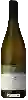
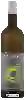
Weingut FiblSauvignon Soyhières
 White wine
This wine generally goes well with vegetarian, rich fish (salmon, tuna etc) or shellfish.

Food and wine pairings with Sauvignon Soyhières
Pairings that work perfectly with Sauvignon Soyhières



Original food and wine pairings with Sauvignon Soyhières
The Sauvignon Soyhières of Weingut Fibl matches generally quite well with dishes of rich fish (salmon, tuna etc), shellfish or vegetarian such as recipes of bacalhau a bras (portuguese cod), thai shrimp soup (tom yam goong) or quiche without pastry.
Details and technical informations about Weingut Fibl's Sauvignon Soyhières.
Discover the grape variety: Négret pounjut
Light, simple fruity reds with a lightly coloured light ruby robe, silky tannins and an airy palate with moderate acidity, showing undemonstrative aromas of red fruits. Discreet, rustic profile. Almost extinct, preserved in INRAE varietal collections for its heritage value, bearing witness to the pre-phylloxera ampelographic diversity of the South-West. Rare French black grape, formerly grown in the South-West.
Informations about the Weingut Fibl
The Weingut Fibl is one of of the world's greatest estates. It offers 19 wines for sale in the of Aargau to come and discover on site or to buy online.

The wine region of Aargau
Northern German-speaking Swiss wine canton, 380 ha on Jurassic limestone soils. Signature Pinot Noir (Blauburgunder) in Burgundian style: fine, silky reds with signature notes of cherry, raspberry, undergrowth, sweet spices and salty minerality, delicate tannins and taut freshness. Muller-Thurgau second as a lively, fruity white (apple, white flowers, light muscat). Also broad Chardonnay, fragrant Grauburgunder, opulent Gewurztraminer, red Regent.
The word of the wine: PDO
Protected Designation of Origin - equivalent to the term "controlled designation of origin" in European regulations.