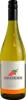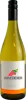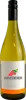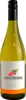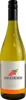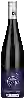
Weingut AndresGrauburgunder
 White wine


In the mouth this white wine is a .
This wine generally goes well with pork, cured meat or mushrooms.
The Grauburgunder of the Weingut Andres is in the top 10 of wines of Deidesheim.
Taste structure of the Grauburgunder from the Weingut Andres
Light | Bold | |
Dry | Sweet | |
Soft | Acidic |
In the mouth the Grauburgunder of Weingut Andres in the region of Pfalz is a .
Wine flavors and olphactive analysis

On the nose the Grauburgunder of Weingut Andres in the region of Pfalz often reveals types of flavors of tree fruit, citrus fruit.
Food and wine pairings with Grauburgunder
Pairings that work perfectly with Grauburgunder


Original food and wine pairings with Grauburgunder

The Grauburgunder of Weingut Andres matches generally quite well with dishes of pork, spicy food or mushrooms such as recipes of lentils and morteau sausages, express chicken skewers with spices or rabbit with mushrooms.
Details and technical informations about Weingut Andres's Grauburgunder.
Discover the grape variety: Sabalkanskoï
It is believed to be native to the Black Sea coast or the Azov Sea in the Balkans. It can be found in the United States, Australia, North Africa, Egypt, Turkey, Italy, etc. It is virtually unknown in France, perhaps because it matures too late and with difficulty.
Last vintages of this wine
The best vintages of Grauburgunder from Weingut Andres are 2019, 0
Informations about the Weingut Andres
The Weingut Andres is one of of the world's greatest estates. It offers 42 wines for sale in the of Deidesheim to come and discover on site or to buy online.

The wine region of Deidesheim
The wine region of Deidesheim is located in the region of Pfalz of Germany. Wineries and vineyards like the Domaine Dr. Deinhard or the Domaine Winzerverein Deidesheim produce mainly wines white, red and sweet. The most planted grape varieties in the region of Deidesheim are Riesling, Chardonnay and Cabernet-Sauvignon, they are then used in wines in blends or as a single variety.
The wine region of Pfalz
Pfalz is a key wine producing region in western Germany, located between the Rhein/Rhine river and the low-lying Haardt mountain range (a natural continuation of the Alsatian Vosges). It covers a rectangle of land 45 miles (75km) Long and 15 miles (25km) wide. To the NorthLiesRheinhessen; to the South, the French border and Alsace. In terms of both quality and quantity, Pfalz is one of Germany's most important regions, and one which shows great promise for the future.
The word of the wine: Thinning
Also known as green harvesting, the practice of removing excess bunches of grapes from certain vines, usually in July, but sometimes later. This is often necessary, but not always a good thing, as the remaining bunches often gain weight.