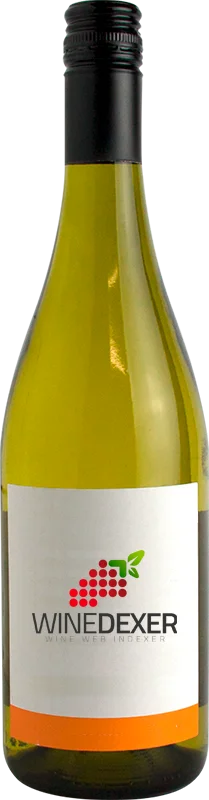
Winery WeingartenRiesling Trocken
 White wine


In the mouth this white wine is a with a nice freshness.
This wine generally goes well with pork, poultry or shellfish.

Taste structure of the Riesling Trocken from the Winery Weingarten
Light | Bold | |
Dry | Sweet | |
Soft | Acidic |
In the mouth the Riesling Trocken of Winery Weingarten in the region of Baden is a with a nice freshness.
Food and wine pairings with Riesling Trocken
Pairings that work perfectly with Riesling Trocken



Original food and wine pairings with Riesling Trocken


The Riesling Trocken of Winery Weingarten matches generally quite well with dishes of pork, shellfish or spicy food such as recipes of ham and cheese omelette, flambéed prawns or scallops with cream.
Details and technical informations about Winery Weingarten's Riesling Trocken.
Discover the grape variety: Riesling
Crystalline, taut whites with vibrant acidity and aromas of citrus, green apple, white flowers, vineyard peach and mineral/petrol notes with age. Made as dry (Trocken, Alsace), off-dry (Kabinett, Spätlese) and sweet (Auslese, Beerenauslese, Trockenbeerenauslese, late harvest). Star of the Moselle, Rheingau, Alsace AOC and Wachau. Also exported to Clare Valley and Finger Lakes.
Last vintages of this wine

The best vintages of Riesling Trocken from Winery Weingarten are 2016, 0, 2015
Informations about the Winery Weingarten
The Winery Weingarten is one of of the world's great estates. It offers 40 wines for sale in the of Baden to come and discover on site or to buy online.

The wine region of Baden
German capital of Pinot Noir (Spätburgunder): silky, fine reds with notes of red fruits, cherry, undergrowth and sweet spices, melted tannins. Round Grauburgunder (Pinot Gris), lively Weissburgunder, supple Müller-Thurgau, mineral Riesling. Germany's 3rd region (15,000 ha) in Baden-Württemberg facing Alsace, one of the country's warmest climates, volcanic soils at the Kaiserstuhl. Cradle of modern great German reds, elegant and fine.
The word of the wine: Hat
Solid part (marc), composed of pips and skins (sometimes of the stalk), which forms at the top of the tank during fermentation. The pigeage consists in breaking this cap to put back in suspension these elements and to favour the exchanges between the juice and the skins.