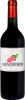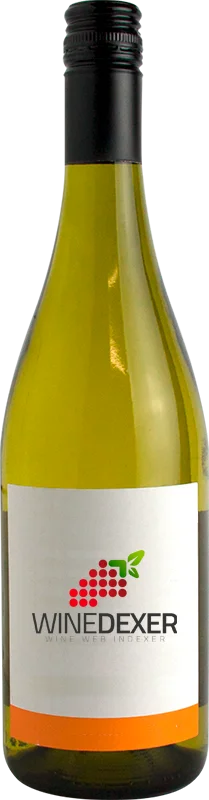
Weingut StegelerDuett
 White wine


This wine is a blend of 2 varietals which are the Johanniter and the Riesling.
This wine generally goes well with pork, vegetarian or poultry.
The Duett of the Weingut Stegeler is in the top 30 of wines of Eastern Switzerland.

Food and wine pairings with Duett
Pairings that work perfectly with Duett



Original food and wine pairings with Duett



The Duett of Weingut Stegeler matches generally quite well with dishes of pork, rich fish (salmon, tuna etc) or spicy food such as recipes of salted lentils, tomato pie without tomato... or seafood pastilla.
Details and technical informations about Weingut Stegeler's Duett .
Discover the grape variety: Johanniter
Aromatic, structured whites with a full palate and firm acidity, showing aromas of yellow fruits (peach, apricot), citrus, white flowers, honey and mineral notes reminiscent of Riesling. Refreshing. Mildew- and powdery-mildew-resistant interspecific variety, a driver of organic viticulture in northern regions: Germany (Baden), Switzerland, Netherlands, Belgium, UK and Denmark. German hybrid created in 1968 in Freiburg (Riesling × Seyve-Villard).
Last vintages of this wine
The best vintages of Duett from Weingut Stegeler are 0
Informations about the Weingut Stegeler
The Weingut Stegeler is one of of the world's greatest estates. It offers 6 wines for sale in the of Eastern Switzerland to come and discover on site or to buy online.

The wine region of Eastern Switzerland
German-speaking Switzerland (Ostschweiz) grouping Aargau, Zurich, Schaffhausen, Thurgau, St. Gallen and Graubünden. Pinot Noir (Blauburgunder) signature red king (~70%): fine and silky with notes of red cherry, raspberry, undergrowth, dried flowers and spice, fine tannins and elegant palate — the Bündner Herrschaft (Graubünden) produces Switzerland's finest Pinots. Supple Müller-Thurgau, floral Riesling-Sylvaner, ample Chardonnay.
The word of the wine: Full-bodied
A rich, concentrated wine that offers consistency in the mouth.