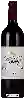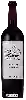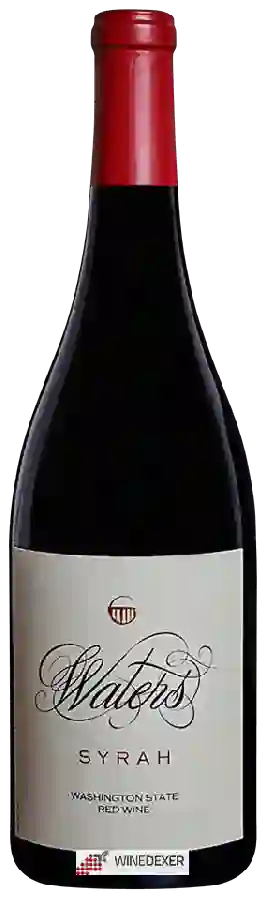
Winery WatersSyrah
 Red wine


In the mouth this red wine is a powerful with a nice balance between acidity and tannins.
This wine generally goes well with poultry, beef or game (deer, venison).

Taste structure of the Syrah from the Winery Waters
Light | Bold | |
Smooth | Tannic | |
Dry | Sweet | |
Soft | Acidic |
In the mouth the Syrah of Winery Waters in the region of Washington is a powerful with a nice balance between acidity and tannins.
Wine flavors and olphactive analysis






On the nose the Syrah of Winery Waters in the region of Washington often reveals types of flavors of non oak, earth or microbio and sometimes also flavors of vegetal, oak or spices.
Food and wine pairings with Syrah
Pairings that work perfectly with Syrah



Original food and wine pairings with Syrah

The Syrah of Winery Waters matches generally quite well with dishes of beef, lamb or game (deer, venison) such as recipes of beef marengo "my mom" style, shish kebab or duck breast with balsamic vinegar.
Details and technical informations about Winery Waters's Syrah.
Discover the grape variety: Malvasia di Candia Aromatica
Versatile muscat-style whites — dry, frizzante or rich passito — with a pale to amber robe and an ample palate, featuring intense aromas of white flowers (elderflower, acacia), yellow fruits (apricot), muscat and honeyed notes in passito versions. Star of the Colli Piacentini DOC and Colli di Parma DOC in Emilia-Romagna. Aromatic Malvasia variety grown in central Italy.
Last vintages of this wine
The best vintages of Syrah from Winery Waters are 2015, 2014, 0, 2013 and 2012.
Informations about the Winery Waters
The Winery Waters is one of of the world's greatest estates. It offers 22 wines for sale in the of Washington to come and discover on site or to buy online.

The wine region of Washington
2nd US producer by volume, on the arid, sunny Columbia Valley. Star Cabernet Sauvignon (~60% of reds): powerful and structured with signature notes of blackcurrant, blackberry, cedar, dry herbs and graphite, firm tannins. Fleshy, peppery Syrah (black fruits, smoked meat). Round, fruity Merlot, historic mineral Riesling (dry and off-dry), precise Chardonnay and ample Sémillon.
The word of the wine: Chaptalization
The addition of sugar at the time of fermentation of the must, an ancient practice, but theorized by Jean-Antoine Chaptal at the dawn of the 19th century. The sugar is transformed into alcohol and allows the natural degree of the wine to be raised in a weak or cold year, or - more questionably - when the winegrower has a harvest that is too large to obtain good maturity.