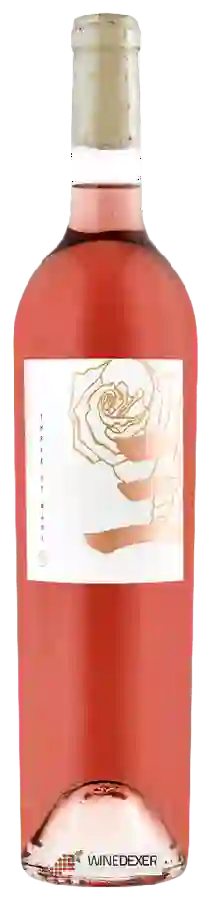
Winery Wade CellarsThree by Wade Rosé
 Pink wine


This wine generally goes well with
Wine flavors and olphactive analysis





On the nose the Three by Wade Rosé of Winery Wade Cellars in the region of California often reveals types of flavors of earth, oak or tree fruit and sometimes also flavors of citrus fruit, red fruit.
Details and technical informations about Winery Wade Cellars's Three by Wade Rosé.
Discover the grape variety: Neheleschol
A very ancient table grape, it is mentioned in the Bible. Luigi and Alberto Pirovano of Vaprio d'Adda used it in many of their crosses. - Synonyms: neg(u)elescol, giant of Palestine, white grape of Jerusalem, eparce or eparse, yellow olivette with small berries, grape of Jericho (for all the synonyms of the grape varieties, click here!)
Last vintages of this wine

The best vintages of Three by Wade Rosé from Winery Wade Cellars are 2019, 0, 2018
Informations about the Winery Wade Cellars
The Winery Wade Cellars is one of of the world's greatest estates. It offers 5 wines for sale in the of California to come and discover on site or to buy online.

The wine region of California
California is the largest and most important wine region in the United States. It represents the southern two-thirds (850 miles or 1,370 kilometers) of the country's west coast. (Oregon and Washington make up the rest. ) The state also spans nearly 10 degrees of latitude.
The word of the wine: Game
A family of animal aromas reminiscent of venison and present in certain old red wines. See venison.