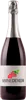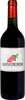
Winery Viticoltori della Valle del BelboLanghe Favorita
 wine
wine
This wine generally goes well with
The Langhe Favorita of the Winery Viticoltori della Valle del Belbo is in the top 0 of wines of Langhe.
Details and technical informations about Winery Viticoltori della Valle del Belbo's Langhe Favorita.
Discover the grape variety: Grosse Arvine
Most certainly originating from the Swiss Valais - Martigny and Fully vineyards - it is the result of a natural intraspecific crossing between the rèze and a child of the arvine with which it should not be confused. Today, grosse Arvine is practically no longer cultivated and remains completely unknown in France, as in all other wine-producing countries.
Informations about the Winery Viticoltori della Valle del Belbo
The Winery Viticoltori della Valle del Belbo is one of of the world's greatest estates. It offers 5 wines for sale in the of Langhe to come and discover on site or to buy online.

The wine region of Langhe
The wine region of Langhe is located in the region of Piémont of Italy. We currently count 1082 estates and châteaux in the of Langhe, producing 2506 different wines in conventional, organic and biodynamic agriculture. The wines of Langhe go well with generally quite well with dishes .
The wine region of Piedmont
Piedmont (Piemonte) holds an unrivalled place among the world's finest wine regions. Located in northwestern Italy, it is home to more DOCG wines than any other Italian region, including such well-known and respected names as Barolo, Barbaresco and Barbera d'Asti. Though famous for its Austere, Tannic, Floral">floral reds made from Nebbiolo, Piedmont's biggest success story in the past decade has been Moscato d'Asti, a Sweet, Sparkling white wine. Piedmont Lies, as its name suggests, at the foot of the Western Alps, which encircle its northern and western sides and form its naturally formidable border with Provence, France.
The word of the wine: Maturing (champagne)
After riddling, the bottles are stored on "point", upside down, with the neck of one bottle in the bottom of the other. The duration of this maturation is very important: in contact with the dead yeasts, the wine takes on subtle aromas and gains in roundness and fatness. A brut without year must remain at least 15 months in the cellar after bottling, a vintage 36 months.