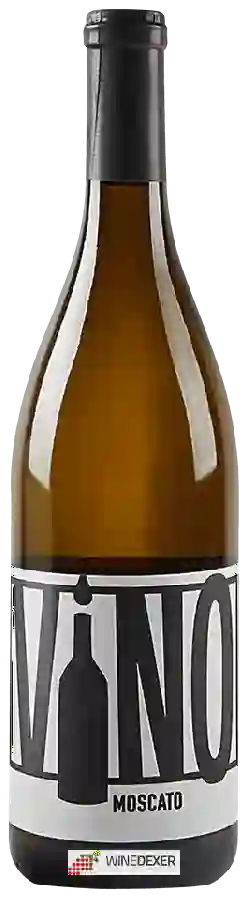
Winery VinoMoscato
 White wine



This wine generally goes well with sweet desserts
Wine flavors and olphactive analysis


On the nose the Moscato of Winery Vino in the region of Washington often reveals types of flavors of earth, tree fruit or citrus fruit and sometimes also flavors of floral, tropical fruit.
Food and wine pairings with Moscato
Pairings that work perfectly with Moscato

Original food and wine pairings with Moscato
The Moscato of Winery Vino matches generally quite well with dishes of sweet desserts such as recipes of chocolate mug cake.
Details and technical informations about Winery Vino's Moscato.
Discover the grape variety: Bertille Seyve 872
Interspecific crossing made by Bertille Seyve (1864-1944) between 85 Seibel and 2 Gaillard. This direct producing hybrid was mainly multiplied in the center of France where we found it and photographed it, but also in the departments of the Rhone valley, the Loiret valley, Isère, Vienne and Nièvre.
Last vintages of this wine
The best vintages of Moscato from Winery Vino are 2017, 2015, 0, 2016
Informations about the Winery Vino
The Winery Vino is one of of the world's greatest estates. It offers 7 wines for sale in the of Washington to come and discover on site or to buy online.

The wine region of Washington
Washington State is located in the Pacific Northwest of the United States, immediately north of Oregon. Although the history of the wine industry is relatively Short, Washington's 900-plus wineries and 350-plus independent winemakers, with more than 50,000 acres of vineyards, now produce more wine than any other state except California. Almost all wine production is in the hot, desert-like eastern Part of Washington, although there is some Grape growing and an AVA (Puget Sound) in the cooler, wetter west. White Chardonnay and Riesling grapes, and red Merlot, Cabernet Sauvignon and Syrah grapes are the main varieties grown in Washington, but the region produces quality wines from nearly 70 different grape varieties.
The word of the wine: Thinning
Also known as green harvesting, the practice of removing excess bunches of grapes from certain vines, usually in July, but sometimes later. This is often necessary, but not always a good thing, as the remaining bunches often gain weight.