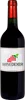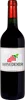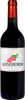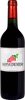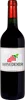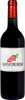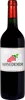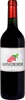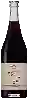
Winery Víno NitraExclusive Collection Frankovka Modrá
 Red wine


This wine generally goes well with pork, rich fish (salmon, tuna etc) or mature and hard cheese.

Food and wine pairings with Exclusive Collection Frankovka Modrá
Pairings that work perfectly with Exclusive Collection Frankovka Modrá



Original food and wine pairings with Exclusive Collection Frankovka Modrá

The Exclusive Collection Frankovka Modrá of Winery Víno Nitra matches generally quite well with dishes of pork, rich fish (salmon, tuna etc) or mature and hard cheese such as recipes of endives with ham (improved), steamed salmon marinated in herbs or crozet cheese with savoy diots.
Details and technical informations about Winery Víno Nitra's Exclusive Collection Frankovka Modrá.
Discover the grape variety: Malvasia Nera
Supple, aromatic reds with an intense ruby robe, smooth tannins and a charming palate, showing signature aromas of red fruits (cherry, raspberry), soft spices, balsamic notes (liquorice) and floral nuances. A fragrant profile adding suppleness to blends. A component of Salice Salentino DOC and Brindisi DOC in Puglia, also present in Tuscany. An Italian black variety of the Malvasia family, with no direct genetic link to white Malvasias.
Last vintages of this wine
The best vintages of Exclusive Collection Frankovka Modrá from Winery Víno Nitra are 0
Informations about the Winery Víno Nitra
The Winery Víno Nitra is one of of the world's great estates. It offers 48 wines for sale in the of Slovakia to come and discover on site or to buy online.

The wine region of Slovakia
Central European vineyard dominated by whites (75%). Signature Veltlínske Zelené (Grüner Veltliner): lively, peppery whites with notes of green apple, citrus, fresh herbs and a touch of white pepper. Fresh, lemony Welschriesling, supple Müller-Thurgau, round Pinot Blanc, mineral Riesling. Slovak Tokaj (907 ha shared with Hungary): sweet botrytised Furmint (honey, dried apricot, quince).
The word of the wine: Astringency
Chemical stimulation that tightens the mucous membranes of the mouth and causes a sensation of harshness, which is characteristic of the presence of tannins. With time, the tannins lose their harshness and become softer.