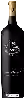
Winery The Vineyard HouseCabernet Franc
 wine
wine
This wine generally goes well with
The Cabernet Franc of the Winery The Vineyard House is in the top 0 of wines of Oakville.

Details and technical informations about Winery The Vineyard House's Cabernet Franc.
Discover the grape variety: Lameiro
Lively, fruity whites to drink young with a pale golden robe, an airy, low-alcohol palate with marked acidity, and signature aromas of citrus (lemon), green apple, white flowers and fresh herbal notes. A nervy, thirst-quenching profile. Very little-known, used locally in traditional Vinho Verde DOC blends, preserved for its patrimonial interest. A Portuguese white grape grown in the Monção sub-region of northern Minho.
Informations about the Winery The Vineyard House
The Winery The Vineyard House is one of of the world's greatest estates. It offers 3 wines for sale in the of Oakville to come and discover on site or to buy online.

The wine region of Oakville
The wine region of Oakville is located in the region of Napa Valley of California of United States. Wineries and vineyards like the Domaine Schrader or the Domaine Schrader produce mainly wines red, white and pink. The most planted grape varieties in the region of Oakville are Cabernet-Sauvignon, Merlot and Cabernet franc, they are then used in wines in blends or as a single variety. On the nose of Oakville often reveals types of flavors of cherry, dried herbs or cigar and sometimes also flavors of bell pepper, green bell pepper or baking spice.
The wine region of California
Powerful, sunny reds: dense Napa Cabernet Sauvignon (blackcurrant, chocolate, tobacco, ample tannins), spicy, jammy Zinfandel from the Sierra Foothills, silky red-fruited Pinot Noir on the cool coast (Sonoma, Russian River, Central Coast). Opulent, buttery Chardonnay, notes of yellow fruit and vanilla. Varied climate, from the hot interior to the Pacific-cooled coast. 80% of US production, 139 AVAs including Napa (1st AVA, 1981).
The word of the wine: Residual sugars
Sugars not transformed into alcohol and naturally present in the wine. The perception of residual sugars is conditioned by the acidity of the wine. The more acidic the wine is, the less sweet it will seem, given the same amount of sugar.