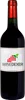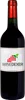
Winery Vinařství KubíkPremium Frankovka Pozdní Sběr
 Red wine


This wine generally goes well with pork, rich fish (salmon, tuna etc) or mature and hard cheese.
Food and wine pairings with Premium Frankovka Pozdní Sběr
Pairings that work perfectly with Premium Frankovka Pozdní Sběr



Original food and wine pairings with Premium Frankovka Pozdní Sběr

The Premium Frankovka Pozdní Sběr of Winery Vinařství Kubík matches generally quite well with dishes of pork, rich fish (salmon, tuna etc) or mature and hard cheese such as recipes of sauerkraut (with tips so to do!!!), croque-monsieur with tuna or spring pie with manson.
Details and technical informations about Winery Vinařství Kubík's Premium Frankovka Pozdní Sběr.
Discover the grape variety: Dattier de Saint Vallier
Interspecific crossing obtained by Seyve-Villard between the 6468 Seibel and the Panse de Provence. This direct-producing hybrid is practically no longer multiplied, but can still be found among amateur gardeners or collectors.
Last vintages of this wine

The best vintages of Premium Frankovka Pozdní Sběr from Winery Vinařství Kubík are 2015, 0
Informations about the Winery Vinařství Kubík
The Winery Vinařství Kubík is one of of the world's great estates. It offers 48 wines for sale in the of Morava to come and discover on site or to buy online.

The wine region of Morava
Moravia, with roughly 95 percent of the nation's Vine plantings, is the engine room of the Czech Republic's wine industry. The Center of intensively farmed bulk-wine production is also showing great promise as a producer of quality white wines. This is largely thanks to its cool Climate, comparable in many ways to that in Nahe or Pfalz, the white-wine specialists a few hundred miles west in Germany. Moravian winelands enjoy a Vineyard year well suited to the production of Complex aromatics with good Acidity.
The word of the wine: Oxidative (breeding)
A method of ageing which aims to give the wine certain aromas of evolution (dried fruit, bitter orange, coffee, rancio, etc.) by exposing it to the air; it is then matured either in barrels, demi-muids or unoaked casks, sometimes stored in the open air, or in barrels exposed to the sun and to temperature variations. This type of maturation characterizes certain natural sweet wines, ports and other liqueur wines.