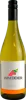
Winery Vina PinillaSauvignon Blanc
 wine
wine
This wine generally goes well with
The Sauvignon Blanc of the Winery Vina Pinilla is in the top 0 of wines of Jumilla.

Details and technical informations about Winery Vina Pinilla's Sauvignon Blanc.
Discover the grape variety: Loin de l'oeil
Aromatic, lively whites with a pale golden robe, supple palate and preserved acidity, with signature aromas of white flowers (acacia, hawthorn), citrus (lemon), exotic fruits (pineapple) and white-fleshed fruits (pear). Vinified dry and sweet. Star of Gaillac AOC, defining the identity of Gaillac whites both dry and sweet. Indigenous French white variety from the South-West, also called Len de l'El, grown in the Tarn.
Informations about the Winery Vina Pinilla
The Winery Vina Pinilla is one of of the world's greatest estates. It offers 4 wines for sale in the of Jumilla to come and discover on site or to buy online.

The wine region of Jumilla
Arid south-east Spain, kingdom of Monastrell (Mourvèdre, >85% of vineyards). Powerful, sunny reds with signature notes of candied blackberry, black plum, garrigue, pepper, leather and liquorice, firm tannins and a warm palate — a world reference for the grape. Many ungrafted old vines (phylloxera spared the limestone soils). Also supple Tempranillo, peppery Syrah, round Garnacha.
The wine region of Murcie
Wine region of southeastern Spain on sunny high plateaus, 3 DOs fanning out: Jumilla, Yecla, Bullas. Monastrell (Mourvedre) reigns in red (~80% of the vineyard): dense and sunny with signature notes of black mulberry, candied black cherry, garrigue, leather, liquorice and a sweet spice touch, firm tannins and a warm palate — pomegranate robe, sustained alcohol, often own-rooted. Round Grenache, supple Tempranillo, peppery Syrah. Southern wines with outstanding value.
The word of the wine: Blanc de blancs (champagne)
Champagne made only from the Chardonnay grape. The expression has been somewhat overused by the intensive use made of it by certain large distributors of white table wines (or sparkling wines) who were thus seeking to promote their product.