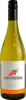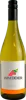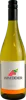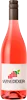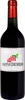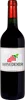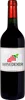
Winery Viña EngraciaTinto
 Red wine


In the mouth this red wine is a powerful with a nice freshness.
This wine generally goes well with poultry, beef or veal.
Taste structure of the Tinto from the Winery Viña Engracia
Light | Bold | |
Smooth | Tannic | |
Dry | Sweet | |
Soft | Acidic |
In the mouth the Tinto of Winery Viña Engracia in the region of Iles Canaries is a powerful with a nice freshness.
Food and wine pairings with Tinto
Pairings that work perfectly with Tinto



Original food and wine pairings with Tinto

The Tinto of Winery Viña Engracia matches generally quite well with dishes of beef, pasta or veal such as recipes of beef tongue with vegetables, succulent and easy to make beef lasagna or country-style veal roulades with risotto.
Details and technical informations about Winery Viña Engracia's Tinto.
Discover the grape variety: Grignolino
Most certainly Italian, it is mainly cultivated in the region of Asti in Piedmont and very little known elsewhere in Italy.
Last vintages of this wine
The best vintages of Tinto from Winery Viña Engracia are 0, 2016
Informations about the Winery Viña Engracia
The Winery Viña Engracia is one of of the world's greatest estates. It offers 6 wines for sale in the of Iles Canaries to come and discover on site or to buy online.

The wine region of Iles Canaries
The archipelago of the Canary Islands (or Las Canarias) is an autonomous community of Spain located in the North Atlantic Ocean, 110 km from the west coast of Morocco. The wine trade there is far from famous - few local wines come out of the Canary Islands - but there is a Long and unique wine tradition in the region. The spectacularly high Canary Islands are located at a latitude of about 28°N, making it the most tropical wine region in Europe. It was thanks to this position, once traversed by naval trade routes, that the local wine industry flourished, shortly after the islands came under Spanish control in the early 15th century.
The word of the wine: Muscat blanc à petits grains
A white grape variety cultivated since antiquity on the shores of the Mediterranean, it is considered the noblest of the muscats. It is mainly used to make sweet wines, often from mutage. In France, it is the sole variety used in many natural sweet wines: muscat-de-frontignan, muscat-de-mireval, muscat-de-lunel, muscat-de-saint-jean-de-minervois, muscat-de-beaumes-de-venise, muscat-du-cap-corse. Combined with Muscat d'Alexandrie, it gives Muscat-de-Rivesaltes. It is also used to make sparkling white wines (clairette-de-die; moscato d'asti and asti spumante in Italy) and dry wines (alsace-muscat). Powerfully aromatic and complex, its wines evoke fresh grapes, roses, exotic fruits, citrus fruits and spices.